The 1990s remain one of the most beloved and influential decades in fashion history, defined by an eclectic mix of rebellious streetwear, minimalist chic, and unforgettable pop‑culture moments. Across the world — from runways to school halls — 90s fashion trends offered diverse styles that resonated with youth culture, music movements, and evolving cultural identities. Whether it was grunge’s laid‑back spirit or hip‑hop’s bold streetwear statements, the 90s left an enduring imprint on how people dress today.
This article explores the most memorable 90s fashion trends, their origins, cultural significance, and why these styles continue to influence contemporary wardrobes. From denim mania to athleisure, and the rise of minimalism, the decade’s fashion was as diverse as it was iconic, shaping how generations express themselves through clothing.
What Made 90s Fashion Unique
The 1990s marked a turning point in the fashion world, blending styles from different subcultures and redefining everyday wear. Unlike the more extravagant 1980s, the 90s fashion trends embraced both anti‑fashion movements like grunge and sleek, minimalist looks popularized by supermodels and designers. This juxtaposition mirrored the social and cultural shifts of the time — from the rise of alternative music to the expanding influence of hip‑hop and street culture.
Fashion became about personal expression rather than conformity, allowing young people to adopt styles that reflected their identities. As a result, the decade produced trends that were both rebellious and effortlessly chic, many of which are still revived by designers and influencers today.
Grunge: The Rebellious Anti‑Fashion Trend
One of the most defining 90s fashion trends, grunge emerged from the Seattle music scene, led by bands like Nirvana and Pearl Jam. Inspired by rock and anti‑establishment sentiment, grunge fashion celebrated comfort over glamour, embracing a rough‑around‑the‑edges aesthetic that rejected high fashion norms.
Typical grunge attire included oversized flannel shirts, ripped jeans, combat boots like Doc Martens, and simple band tees. The look often embraced a seemingly unkempt style, pairing casual basics to achieve an authentic, effortless vibe. Grunge was more than a wardrobe choice — it was a statement of independence and anti‑consumerist attitude, and it remains one of the most influential styles to come out of the decade.
Denim Mania: Denim Everywhere
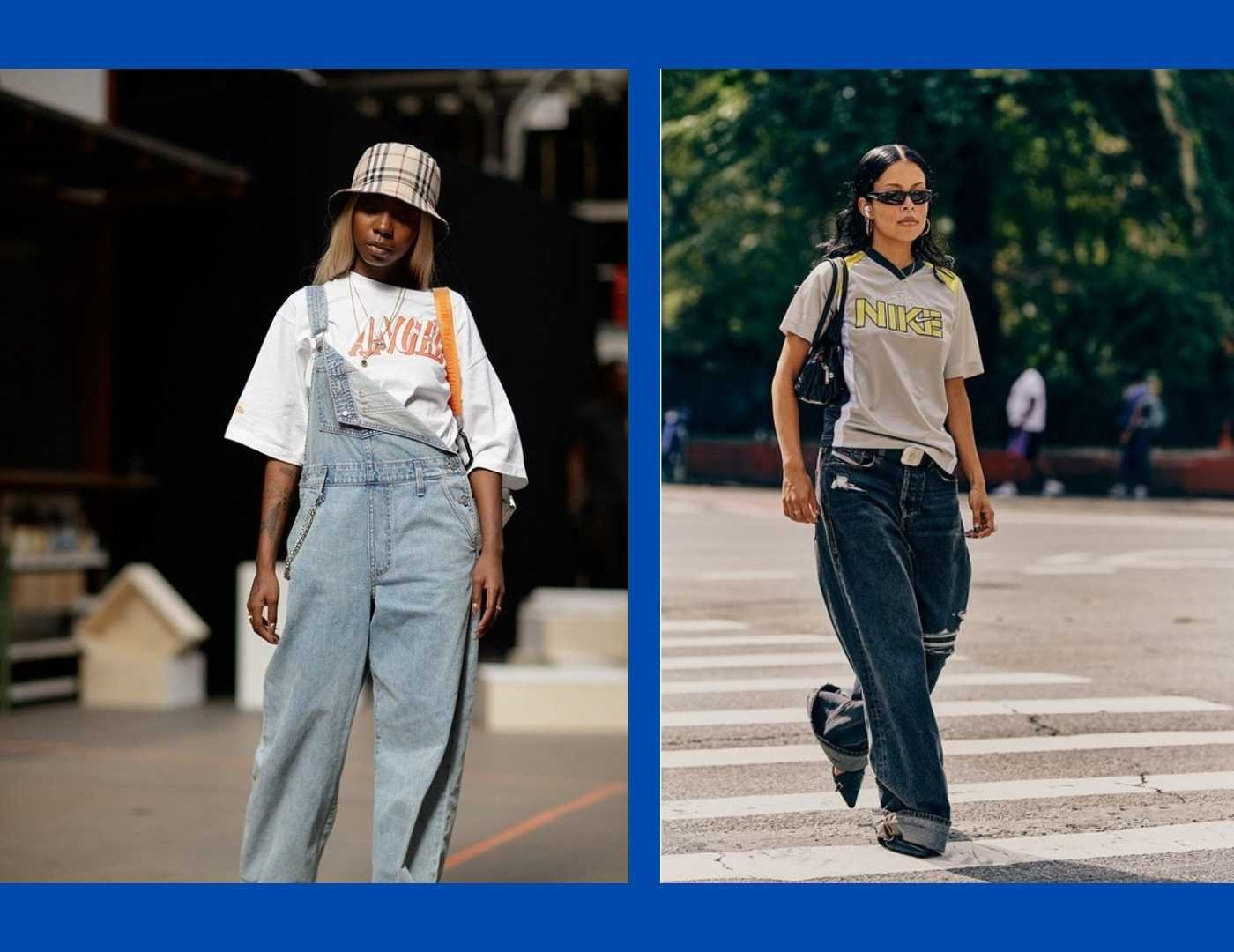
In the 90s, denim truly reigned supreme. From jeans and jackets to skirts and overalls, denim was the fabric of the decade, making denim everything one of the most enduring 90s fashion trends.
Denim styles varied widely: high‑waisted jeans, baggy fits, denim jackets, and denim skirts were all popular. Acid‑washed and distressed variations added texture and personality to outfits, while denim on denim — sometimes called the “Canadian tuxedo” — became a bold statement look. The versatility of denim made it a staple for casual wear, and its continued influence in today’s fashion speaks to its timeless appeal.
Hip‑Hop Influence: Streetwear and Urban Style
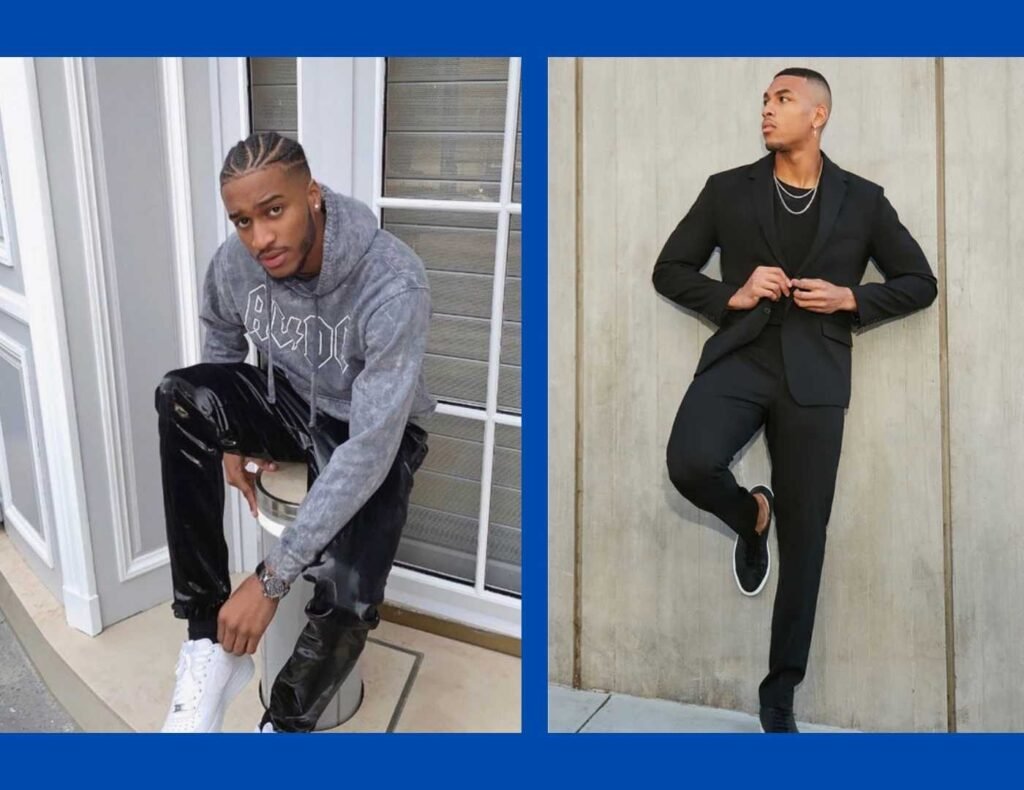
Hip‑hop culture in the 90s didn’t just change music — it revolutionized fashion. Hip‑hop style, defined by oversized silhouettes, bold branding, and athletic wear, became a dominant force in youth culture.
Key elements of this trend included baggy jeans, oversized jerseys, combat boots, and chunky gold chains. Accessories like bucket hats and backwards baseball caps added a playful, rebellious edge. Influential artists such as Tupac Shakur, Notorious B.I.G., and TLC popularized these trends, making streetwear an essential part of mainstream fashion.
Minimalism: Clean Lines and Understated Chic
While some adopted bold streetwear, another corner of the fashion world embraced minimalism. Unlike the layered grunge look or the vibrant hip‑hop styles, minimalist fashion focused on clean silhouettes, neutral palettes, and understated elegance.
This trend was championed by designers like Calvin Klein and Ralph Lauren, and embraced by supermodels such as Kate Moss. Staples included fitted tees, slip dresses, simple tops, and sleek trousers. Minimalism offered a pared‑down alternative to the decade’s bolder trends — proving that subtlety could be just as stylish.
Crop Tops and Midriff Fashion
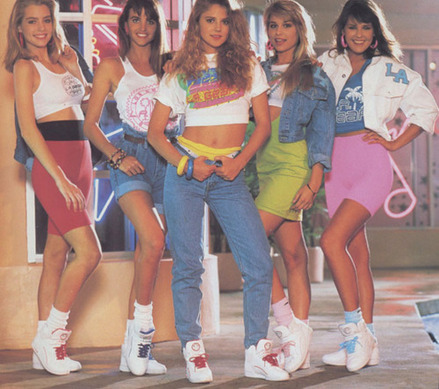
The 90s brought a focus on bold self‑expression, with crop tops becoming a staple in many wardrobes. Originally popularized by pop stars and TV personalities, these tops showcased the midriff and were often paired with high‑waisted jeans or skirts for a youthful, playful look.
Crop tops were versatile — worn with denim, layered under flannel shirts, or styled with leather jackets. Their adaptability across casual and edgy outfits cemented their place as a defining piece of 90s fashion trends, and their resurgence in modern fashion underlines their lasting appeal.
Slip Dresses: Minimalist Glamour
One of the most elegant 90s fashion trends was the slip dress, a minimalist garment inspired by lingerie. First popularized in the mid‑90s and associated with designers like Calvin Klein, slip dresses exuded effortless sophistication with their simple, sleek silhouettes.
Often worn alone for evening wear or layered over tees for daytime outfits, slip dresses became a versatile style essential. Their clean lines and lightweight fabric made them ideal for both casual and formal settings, reflecting the decade’s shift toward understated glamour.
Baggy Jeans and Cargo Pants
Oversized trousers defined much of 90s streetwear. Baggy jeans offered a relaxed silhouette that contrasted sharply with the tight fits of previous decades. Cargo pants also rose to prominence, praised for their comfortable, utilitarian design and multiple pockets.
Both baggy jeans and cargo pants became synonymous with casual wear and urban culture, often paired with graphic tees, sneakers, or flannels. This trend was popular across genders and continues to influence modern streetwear aesthetics.
Tracksuits and Athleisure
Long before “athleisure” became a coined term, the 90s blurred the line between sportswear and everyday fashion. Tracksuits — particularly in vibrant neon colors — became a mainstream fashion choice beyond athletic settings.
Brands like Nike, Adidas, and Fila dominated this trend, with matching tops and bottoms creating bold, coordinated looks. Tracksuits offered both comfort and style, making them ideal for casual outings and social events. This trend also laid the groundwork for today’s athleisure movement.
Denim Jackets and Overalls
Alongside denim jeans, denim jackets and overalls became must‑have items. Oversized denim jackets added a cool, laid‑back layer to outfits, while overalls offered a quirky, youthful twist.
These pieces were often styled with crop tops, tees, or flannels for an effortlessly chic look. Their rugged appeal and versatility made them staples of the decade, and they continue to cycle back into fashion trends today.
Platform Shoes and Chunky Footwear
Footwear in the 90s ranged from combat boots to platform shoes, both of which made strong statements. Platform shoes — often seen on runway stars and street stylers alike — added height and drama to simple outfits.
Combat boots, especially Doc Martens, became emblematic of the grunge look, emphasizing a rugged, rebellious aesthetic. Both styles of footwear offered alternatives to traditional sneakers, helping define the decade’s bold fashion identity.
Bucket Hats and Baseball Caps
Accessories played a significant role in 90s fashion trends, with bucket hats and backwards baseball caps becoming iconic picks. These casual headpieces added a playful edge to outfits and were embraced by both hip‑hop culture and mainstream youth style.
Whether worn spatially tilted or flipped backward, these hats brought personality and attitude to 90s looks — a trend that designers and stylists often revisit today.
Plaid Flannel Shirts
Associated closely with grunge, plaid flannel shirts became a defining piece of 90s wardrobes. Worn oversized or tied around the waist, flannels offered both comfort and a bold print that stood out against minimalist basics.
This trend wasn’t limited to music fans — it crossed into mainstream fashion, worn alongside denim and sneakers. Plaid flannels symbolized a shift toward relaxed, lived‑in clothing that celebrated individuality.
Chokers and Youthful Accessories
The 90s gave rise to a host of memorable accessories, among which the choker necklace became especially emblematic. Made from velvet, plastic, or leather, chokers added an edgy, youthful flair to outfits and were worn with everything from slip dresses to graphic tees.
Other accessories like hoop earrings, beaded bracelets, mini backpacks, and butterfly clips also contributed to the decade’s eclectic style, highlighting how fashion trends extended beyond clothing to embrace expressive detail.
Iconic Hairstyles and Beauty Trends
Fashion in the 90s wasn’t limited to clothing — hairstyles played a major role in defining the decade’s look. One of the most iconic cuts was “The Rachel,” popularized by Jennifer Aniston’s character on Friends. This layered, face‑framing hairstyle became one of the most requested cuts of the era and remains famous in fashion history.
Other trends included sleek straight hair, curtain bangs, and voluminous curls, complementing the varied clothing styles of the decade.
Cultural Impact of 90s Fashion
The influence of 90s fashion trends extended beyond wardrobe choices — it shaped cultural identity and expressed generational values. Style icons like Kate Moss, with her effortless minimalism, and hip‑hop legends like Tupac Shakur, with bold streetwear, left lasting marks on fashion narratives.
The decade’s styles encouraged personal expression, blending comfort with creativity and paving the way for future fashion revolutions. Trends from the 90s continue to resurface, reflecting their timeless appeal and versatility.
90s Fashion Revival in Modern Wardrobes
In the 2020s, many 90s fashion trends are experiencing a vibrant revival. Oversized flannels, chunky sneakers, and baggy jeans appear regularly in streetwear and runway collections, embraced by new generations seeking expressive yet nostalgic looks.
From designers to influencers on social platforms, the resurgence of 90s styles underscores how fashion is cyclical — blending past elements with contemporary innovations to create fresh, inspired outfits.
Conclusion
90s fashion trends defined a decade marked by diversity, rebellion, and creativity. From the relaxed attitude of grunge to the bold statements of hip‑hop and the chic minimalism of high fashion, the 90s offered a mix of styles that continue to inspire modern wardrobes. Many iconic pieces — such as denim staples, chunky footwear, and statement accessories — remain influential today. Whether embraced for nostalgic reasons or modern reinterpretations, the enduring legacy of 90s fashion proves that this decade’s sartorial spirit was as impactful as it was unforgettable.
Frequently Asked Questions (FAQs)
What defined 90s fashion trends?
90s fashion was defined by diversity — from grunge and hip‑hop streetwear to minimalist chic and bold accessories, offering styles for all personalities.
Are 90s fashion trends back in style?
Yes, many 90s styles like baggy jeans, chunky sneakers, and flannels are experiencing a Renaissance in modern fashion.
Which 90s accessory was most iconic?
The choker necklace became one of the most iconic 90s accessories, popular across casual and formal looks.
What was “grunge” fashion?
Grunge was an anti‑fashion movement featuring flannel shirts, ripped jeans, and combat boots, rooted in the Seattle music scene.
Did hip‑hop influence 90s fashion?
Absolutely — hip‑hop shaped streetwear trends like baggy pants, oversized jerseys, and bucket hats.