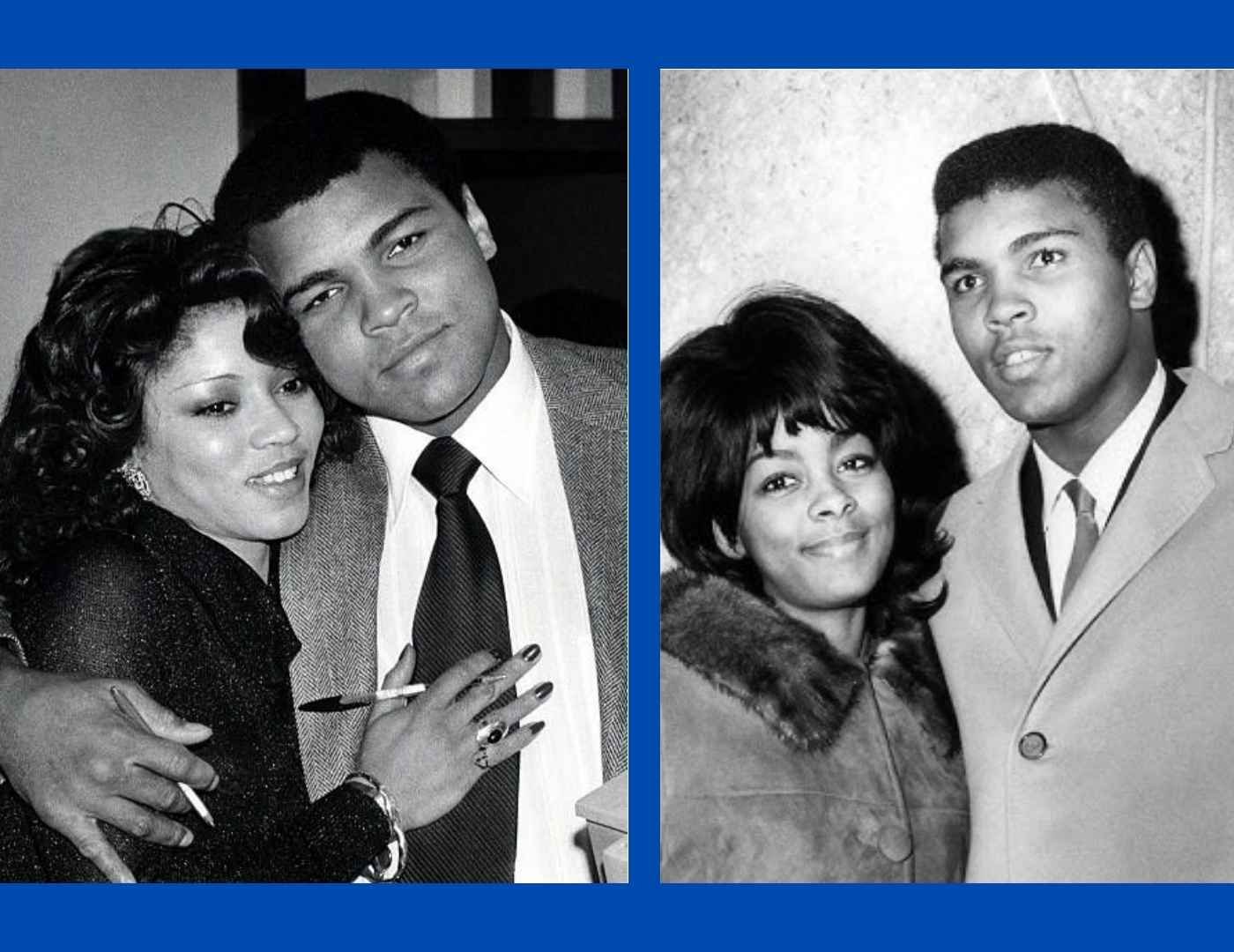
Sonji Roi: Life, Love and Legacy of Muhammad Ali’s First Wife
Sonji Roi is a name that enters the public eye primarily because of her brief but historically significant marriage to boxing legend Muhammad Ali. Yet her life story is far richer than that single connection. Born in the United States in the mid-20th century, Sonji Roi navigated hardship, personal ambition, love, conflict, motherhood, and ultimately a quiet life outside the spotlight before her passing in 2005.
This in-depth biography explores the full arc of Sonji Roi’s life, from her humble beginnings to her meeting with Ali, her personal aspirations, her subsequent relationships, and her legacy as an independent woman. Throughout, the narrative aims to show Sonji Roi not just as a footnote in a famous boxer’s story but as a woman of character, determination, and resilience.
Sonji Roi – Biography Table
| Field | Details |
|---|---|
| Full Name | Sonji Roi |
| Also Known As | Sonji Clay |
| Famous For | First wife of Muhammad Ali |
| Date of Birth | November 23, 1945 |
| Place of Birth | United States |
| Nationality | American |
| Ethnicity | African-American |
| Profession | Model, Singer, Cocktail Waitress |
| Years Active | 1960s–1970s |
| Marital Status | Divorced |
| First Husband | Muhammad Ali (m. 1964 – div. 1966) |
| Second Husband | Reynaldo Glover (Corporate Lawyer) |
| Children | Brian Reynaldo Jr., Herman Griffin |
| Religion | Christian |
| Notable Songs | “Here I Am and Here I Stay”, “I Can’t Wait (Until I See My Baby’s Face)” |
| Known For | Refusing to convert to Islam during her marriage to Ali |
| Residence (Later Life) | Chicago, Illinois, USA |
| Date of Death | October 11, 2005 |
| Age at Death | 64 years |
| Place of Death | Hyde Park, Chicago, Illinois, USA |
| Cause of Death | Suspected heart attack |
| Legacy | Remembered as Muhammad Ali’s first wife and a symbol of independence and personal freedom |
Early Life and Background of Sonji Roi
Sonji Roi was born on November 23, 1945 in the United States, and though details about her parents and childhood remain scarce, accounts suggest that she faced significant challenges early in life. Some sources report that she endured family loss at a young age and had to grow up quickly to take care of herself, shaping a self-reliant spirit that would define much of her later life.
Raised during an era of social change in America, Sonji came of age at a time when opportunities for young Black women were limited but expanding. Despite adversity, she cultivated personal confidence and a striking presence — qualities that would draw public attention later in life. Before fame, she worked various jobs, including as a model and cocktail waitress in nightclubs, which not only supported her financially but also placed her in dynamic social environments where she learned to navigate adult life independently.
The Fateful Night: Meeting Muhammad Ali
The course of Sonji Roi’s life took a dramatic turn in 1964 when she met Cassius Clay, the future Muhammad Ali, under remarkable circumstances. Ali had just won the World Heavyweight Championship, and his profile was rapidly ascending. Sonji was working as a cocktail waitress at a club when introductions were made through Ali’s manager, Herbert Muhammad.
According to accounts, Ali was immediately taken with Sonji’s beauty, confidence, and presence. In what many describe as a whirlwind moment, Ali reportedly proposed to Sonji on the very night they met — an engagement that defied convention and sparked headlines. Whether romantic impulse or decisive intention, Ali’s proposal set in motion one of the most talked-about relationships in sports history.
The Wedding: A Quick Turn Into the Spotlight
Sonji Roi and Cassius Clay married on August 14, 1964, in Gary, Indiana. At this point, Clay had not yet converted fully to Islam or adopted the name Muhammad Ali, so Sonji was known at the time as Mrs. Sonji Clay. The international attention surrounding Ali, combined with his recent championship win, meant that their union immediately captured the public’s imagination.
The marriage ceremony was relatively modest by celebrity standards but symbolized a bold step for both individuals — Ali in his personal life and Sonji in the transition from regular work to life in the public eye. Their relationship seemed full of promise, but it would soon encounter deep challenges rooted in belief, identity, and personal freedom.
Culture, Faith, and Friction: The Main Cause of Conflict
One of the central tensions in the marriage between Sonji Roi and Muhammad Ali was religion. Shortly after their wedding, Ali immersed himself in the teachings of the Nation of Islam, adopting strict religious practices, changing his name, and redefining his lifestyle.
While Ali’s spiritual journey became a cornerstone of his identity, it caused deep friction in his marriage. Sonji, who identified as a Christian, found that the cultural expectations and lifestyle changes associated with Ali’s faith — including attire, social behavior, and moral codes — conflicted with her personal values and aspirations. She reportedly felt pressured to change her way of life, and ultimately refused to adopt the new religious strictures that Ali embraced.
This divergence in belief and lifestyle proved irreconcilable. Sonji later expressed that she did not want to conform to rules that she felt would limit her independence or identity. Her refusal to assimilate into the rigid norms of Ali’s religious community became a primary reason for the dissolution of their marriage.
Divorce and Its Aftermath
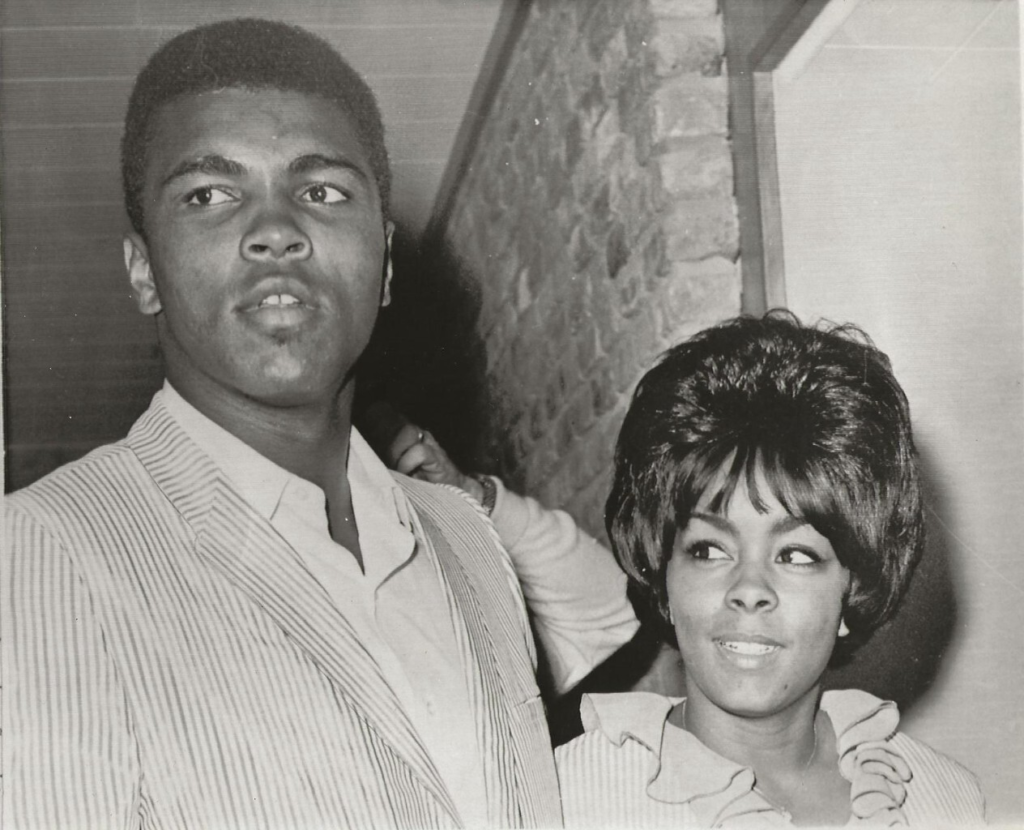
After approximately two years of marriage, Sonji Roi and Muhammad Ali’s relationship ended. Their divorce was finalized in January 1966, marking one of the earliest major personal setbacks in Ali’s life and a defining moment in Sonji’s.
Despite their separation, neither party had children together. The dissolution of their marriage was less about personal animosity and more about fundamental differences in belief, lifestyle, and individual identity. For Sonji, the experience reinforced her independence and commitment to living life on her own terms — even if those choices took her out of the spotlight and away from a world of celebrity.
Sonji Roi’s Career: Model, Singer, and Entertainer
Before her connection to Ali, Sonji Roi had already been making her way as a working woman. Her looks and personality drew interest in modeling circles, and she also worked as a cocktail waitress — roles that supported her financially and socially.
After her divorce, Sonji tried her hand at a career in music. She recorded several songs, including “Here I Am and Here I Stay” and “I Can’t Wait (Until I See My Baby’s Face)”. While her music did not become chart-topping hits, these singles reflected her attempt to redefine her identity beyond her past marriage and explore artistic expression.
Sonji also made media appearances, including television talk shows and documentaries related to Muhammad Ali, further cementing her place in cultural memory. Though her entertainment career was brief, it showcased her versatility and willingness to pursue new avenues in life.
A Second Marriage and Motherhood
Following her life with Ali, Sonji Roi relocated to Chicago, where she began a new chapter outside the glare of the national spotlight. There she met Reynaldo Glover, a corporate lawyer and business advisor.
Sonji and Reynaldo married and had a son named Brian Reynaldo Jr. Their marriage, however, also ended in separation, though details about the dissolution are less publicized than her first divorce.
Sonji later had another son, Herman Griffin, whose father has never been publicly confirmed. Despite the complexities of her personal life, Sonji remained dedicated to raising her children in a stable environment, away from tabloid attention and gossip.
Personal Style and Self-Expression
One of the defining aspects of Sonji Roi’s public persona was her commitment to self-expression. Whether through fashion, social life, or artistic pursuits, she valued personal autonomy and authenticity. During her marriage to Ali, she resisted pressure to conform to strict religious norms that compromised her individuality. This assertion of identity is often cited by friends and commentators as a hallmark of her character — a woman unafraid to make tough choices in pursuit of her own truth.
Later Life in Chicago
In her later years, Sonji Roi lived a more private life in Chicago, focusing on her family and personal interests rather than public attention. Away from the media frenzy that once surrounded her, she embraced a quieter routine that prioritized stability and personal fulfillment.
Although her name remained linked to one of the most famous athletes in history, Sonji forged a life deeply her own, shaped by the decisions she made to uphold her beliefs and values.
Death and Legacy
Sonji Roi passed away on October 11, 2005, at the age of 64. She was found in her home in Hyde Park, Chicago, and while no formal autopsy was conducted, family members believed that she suffered a heart attack.
Her passing was quiet and private, much like her later life. There were no nationwide headlines or sensational coverage — a testament to the peace she had cultivated away from celebrity. Still, for those who knew her personally or appreciated her story, Sonji Roi remains a figure of strength, independence, and resilience.
Sonji Roi’s Cultural and Historical Significance
While Sonji Roi is often remembered mainly for her marriage to Muhammad Ali, her life story offers broader insights into the experiences of women navigating personal autonomy, societal expectations, and public attention in the 20th century.
Her refusal to compromise her identity in the face of pressure, her pursuit of diverse career paths, and her ability to raise a family on her own terms all highlight her individuality and courage. Today, her narrative resonates with readers who value self-determination, making her story relevant beyond the context of celebrity romance.
Conclusion
Sonji Roi lived a life marked by resilience, self-assertion, and quiet dignity. From her early years of personal hardship to her brief but iconic marriage to Muhammad Ali, and on to her later roles as a mother, artist, and independent woman, her story is one of perseverance and personal conviction. While her name may have entered history through association with a world-famous figure, her life — in full — stands as a testament to her own strength and spirit.
Frequently Asked Questions (FAQs)
1. Who was Sonji Roi?
Sonji Roi was an American model, singer, and the first wife of Muhammad Ali, known for her independent personality and brief but historically noted marriage.
2. When were Sonji Roi and Muhammad Ali married?
They married on August 14, 1964, shortly after meeting, and later divorced in January 1966.
3. Why did Sonji Roi and Muhammad Ali divorce?
Their marriage ended largely due to differences in religious beliefs and lifestyle, especially regarding Ali’s conversion to Islam and Sonji’s refusal to conform to the associated customs.
4. Did Sonji Roi have children?
Yes, she had two sons: Brian Reynaldo Jr. with her second husband Reynaldo Glover, and Herman Griffin from a later relationship.
5. What did Sonji Roi do after her divorce?
She pursued a brief music and entertainment career, married again, became a mother, and eventually lived a private life in Chicago.
6. When did Sonji Roi die?
Sonji Roi passed away on October 11, 2005, believed to be from a heart attack at her home in Chicago.
7. Why is Sonji Roi remembered today?
She is remembered both for her personal story intertwined with a sports legend and for her strength, independence, and life beyond fame.