Cynthia Blaise: The Remarkable Life and Career of a Hollywood Dialect Coach
Cynthia Blaise is an accomplished American dialect coach, actress, educator, and voice professional, whose influence in Hollywood extends across film, television, and theatre. Known for her work with actors to build authentic accents and believable character voices, Blaise has made an indelible mark on the entertainment industry. Her longevity in the field, combined with personal challenges and academic foundations, paints a compelling life story — one rooted in artistry, resilience, and dedication.
Cynthia Blaise–Biography Table
| Category | Details |
|---|---|
| Full Name | Cynthia Blaise |
| Other Names | Cynthia Blais |
| Date of Birth | 1958 |
| Place of Birth | United States |
| Nationality | American |
| Occupation | Dialect coach, actress, educator, voice professional |
| Education | – Bachelor of Arts in Theatre, University of Oregon – Master of Fine Arts (MFA) in Acting, University of California, Irvine |
| Years Active | 1980s–present |
| Notable Acting Credits | – Star Trek V: The Final Frontier (1989) – Timequest (2000) – Hardcore Henry (2015) – Voice work: Robot Chicken (2016) |
| Notable Dialect Coaching Credits | – 8 Mile (2002) – Polish Wedding (1998) – Miami Vice (2006) – Bad Teacher (2011) – Faster (2010) – The Tiger Hunter (2016) |
| Teaching & Academic Roles | – Temple University – Wayne State University – University of Illinois at Chicago – Workshops and professional conferences |
| Marital Status | Divorced |
| Spouse | Keegan‑Michael Key (married 1998–2017) |
| Children | None publicly reported |
| Achievements | – Renowned Hollywood dialect coach – Influential voice educator – Guided actors to authentic performances |
| Challenges | – Post-divorce mental health struggles: PTSD, anxiety, depression, hair and weight loss |
| Legacy | – Significant contributions to actor performance and film authenticity – Influential educator and mentor in theatre and voice training |
Early Life: Childhood and First Encounters with Performance
Cynthia Blaise was born in 1958 in the United States, growing up with a deep affection for performing arts that would shape her future path. From a young age, she was captivated by theatre, storytelling, and the power of voice — an early passion that foreshadowed her future career.
Raised in an environment where creative expression was valued, Blaise pursued opportunities in school productions and performance groups, demonstrating not just talent but an analytical fascination with language and speech. This early blend of creativity and linguistic interest laid the groundwork for her future dual roles as performer and coach.
Academic Journey: Theatre Education and Professional Foundations
Blaise pursued formal training in the arts, attending the University of Oregon, where she earned a Bachelor of Arts degree in Theatre, focusing on acting, voice, and performance theory. During these years, her focus shifted toward the technical and expressive aspects of speech — not just acting itself.
Eager to deepen her expertise, she continued her education at the University of California, Irvine, completing a Master of Fine Arts (MFA) in Acting. This advanced training immersed her in voice work, movement, and dramatic interpretation, equipping her with the tools necessary for both performance and pedagogy in the arts.
It was during her academic studies that Blaise honed her understanding of phonetics and dialect work — the skills that would become central to her professional identity in Hollywood and beyond.
Beginning a Career on Screen: Early Roles and Acting Credits
After her academic achievements, Cynthia Blaise entered the film industry as an actress. Her earliest credited screen role was in 1989, when she appeared as Amanda in Star Trek V: The Final Frontier, a significant studio production that opened doors for a multifaceted career.
Throughout the early 1990s, she continued to explore acting in both film and television, including projects like Timequest (2000) and Miami Vice (2006). These roles showcased her versatility and comfort both in front of the camera and behind it.
Blaise also lent her voice to animated productions such as Robot Chicken in 2016, demonstrating a range that spanned live performance and voice acting. Her acting experiences complemented her coaching work, giving her deeper insight into the actor’s craft.
Discovering Dialect Coaching: A Professional Pivot
While acting provided opportunities, Cynthia Blaise soon found her true niche behind the scenes as a dialect coach — a specialist who helps actors master accents, speech patterns, and vocal nuances for authenticity in roles. This work requires deep understanding of phonetics, cultural context, and the psychological process of adopting another person’s voice on screen.
Her first known credit as a dialect coach was for the independent film The Spitfire Grill in 1996 — an early confirmation that her skills in language and voice could shape cinematic storytelling in powerful ways.
By the early 2000s, Blaise’s coaching expertise was in demand. She became known for helping actors embody accents convincingly, whether they were regional American speech patterns or international dialects. Her work blended artistic nuance with technical precision.
Dialect Coaching on Major Film Projects
Over the next two decades, Cynthia Blaise coached actors on a variety of high‑profile films and television projects. Her contributions often went unrecognized publicly, but within the industry her expertise was widely respected.
Some of her notable coaching credits include:
- 8 Mile (2002), where she assisted Mekhi Phifer with accents appropriate to the Detroit setting.
- Polish Wedding (1998) and Timeline (2003), demonstrating her adaptability across genres.
- Miami Vice (2006), blending dialect skills with urban crime drama aesthetics.
- Bad Teacher (2011) and Faster (2010), further establishing her reputation.
- The Tiger Hunter (2016), one of her last known credits in film coaching.
Throughout these projects, Blaise helped actors convincingly portray characters from different backgrounds, enhancing the realism and narrative impact of their performances.
Teaching and Academic Engagements
Beyond film sets, Cynthia Blaise has shared her expertise in educational settings. Before and during her Hollywood work, she taught speech, voice, and dialect classes at respected institutions including Temple University, Wayne State University, and the University of Illinois at Chicago.
Her role as an educator allowed her to influence young actors and performers, instilling in them the same dedication to authentic storytelling that defined her own career. In workshops and university programs, she emphasized that voice and speech are fundamental aspects of compelling performance.
These teaching experiences expanded her professional footprint beyond Hollywood, connecting her to academic theatre communities and the next generation of performers.
Personal Chapter: Meeting Keegan‑Michael Key
A significant part of Cynthia Blaise’s personal life began when she met Keegan‑Michael Key, the acclaimed actor and comedian, while both were involved in theatre at the Detroit Repertory Theatre.
Their creative partnership soon became romantic, and they married on December 27, 1998, marking the beginning of a long‑term relationship that spanned almost two decades. Despite an age gap — Blaise was older — the couple shared mutual respect and artistic interests.
During their marriage, they supported each other’s careers. Blaise even appeared on Key & Peele, the celebrated sketch comedy show co‑created by Key and Jordan Peele, often playing roles that complemented her range as an actress.
Marriage Years: Partnership and Public Appearances
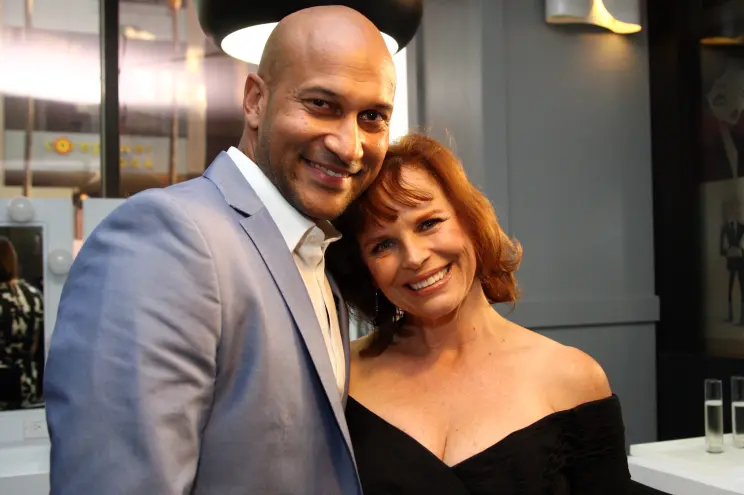
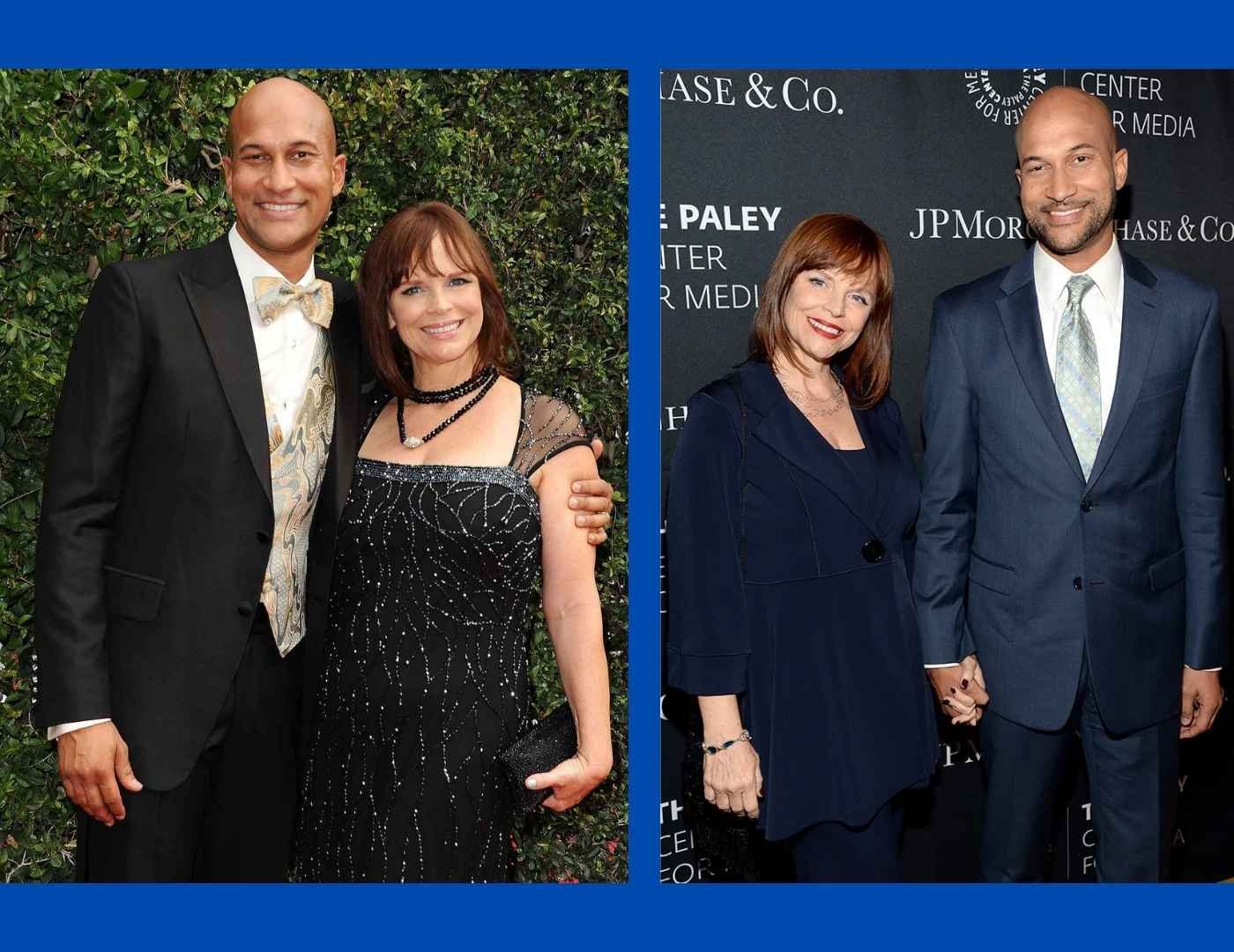
Throughout the early 2000s and into the 2010s, Cynthia Blaise and Keegan‑Michael Key attended numerous public events together and maintained a profile that blended professional collaboration with personal partnership.
Their marriage was often characterized by fans and media as a creative union — a couple deeply embedded in performance art, theatre, and Hollywood’s evolving landscape. Blaise’s presence in Key’s work, whether on set or in public appearances, hinted at a deeply supportive relationship.
Their age difference — Blaise being about 14 years older than Key — was noted by the media but remained a secondary aspect to their shared artistic journeys.
The Divorce and Its Aftermath
Despite a long partnership, Cynthia Blaise and Keegan‑Michael Key separated on November 15, 2015, and Key filed for divorce shortly after, citing irreconcilable differences. The divorce was finalized in 2017.
The public nature of the split had a profound impact on Blaise. She openly reported struggles with severe anxiety, depression, PTSD, hair loss, and weight loss as she navigated emotional and financial upheaval.
Financially, the settlement included monthly spousal support of about $34,000 and provisions based on Key’s income, intended to offer stability after their separation.
Though the divorce was a challenging period, it underscored Blaise’s resilience — showing how deeply personal experiences can intersect with professional identity, especially for individuals whose careers are tied to expressive arts.
Continued Professional Presence and Legacy
In the years following her divorce, Cynthia Blaise largely stepped back from the Hollywood spotlight, and her last known credited work as a dialect coach was in 2016.
Despite this quieter public presence, her legacy in the entertainment industry persists. Blaise helped elevate the standard for dialect and speech work — an essential but often overlooked aspect of performance that contributes deeply to storytelling authenticity.
Her influence lives on in the actors she coached, the students she taught, and the productions that benefited from her linguistic expertise — a testament to the importance of voice professionals in enriching cinematic and theatrical art.
The Role of Dialect Coaching in Film and Television
Dialect coaching — the field in which Cynthia Blaise excelled — is a specialized art that blends linguistics, performance psychology, and cultural insight. A coach must not only teach the mechanics of accents but also help actors embody the emotional and cultural truth behind how a character speaks.
In film and TV, this role is critical. Without accurate speech patterns, even powerful performances can feel inauthentic. Blaise’s work ensured that actors portrayed characters with linguistic integrity, enhancing audience immersion and narrative credibility.
Her contributions exemplify how behind‑the‑scenes professionals shape viewer experiences — often without public recognition — making her career both influential and quietly transformative.
Personal Strength and Artistic Identity
Beyond accolades and film credits, Cynthia Blaise represents the artistic spirit’s enduring power. Her journey — from academic training to Hollywood dialect work, and through personal challenges — reflects a life dedicated to communication, expression, and artistic empathy.
Her story illustrates how passion for art can intersect with personal resilience, reminding readers that success in creative fields often involves unseen dedication and quiet mastery over craft.
Conclusion
Cynthia Blaise is a remarkable figure whose influence in Hollywood and academia is rooted in her deep understanding of voice and performance. As a dialect coach, she helped actors embody roles with linguistic precision; as an educator, she shaped future performers; as an actress, she brought characters to life; and as a person, she navigated life’s challenges with resilience. Her legacy continues to echo in the voices and stories she helped bring to the screen.
Frequently Asked Questions (FAQs)
1. Who is Cynthia Blaise?
Cynthia Blaise is an American dialect coach, actress, and educator known for her contributions to film and television through voice training and speech coaching.
2. What is Cynthia Blaise best known for in Hollywood?
She is best known for her work as a dialect coach on films like 8 Mile, Miami Vice, and Bad Teacher, helping actors master accents and speech patterns.
3. When was Cynthia Blaise born?
Cynthia Blaise was born in 1958 in the United States.
4. Was Cynthia Blaise married to Keegan‑Michael Key?
Yes. She was married to actor and comedian Keegan‑Michael Key from 1998 until their divorce was finalized in 2017.
5. What academic qualifications does Cynthia Blaise hold?
She earned a Bachelor of Arts in Theatre from the University of Oregon and a Master of Fine Arts in Acting from the University of California, Irvine.
6. What challenges did Cynthia Blaise face after her divorce?
After the divorce, she reported experiencing mental health struggles including PTSD, anxiety, depression, hair loss, and weight loss.
7. Is Cynthia Blaise still active in the entertainment industry?
Her last known credited work as a dialect coach was in 2016, and she has since maintained a more private life away from Hollywood’s public eye.