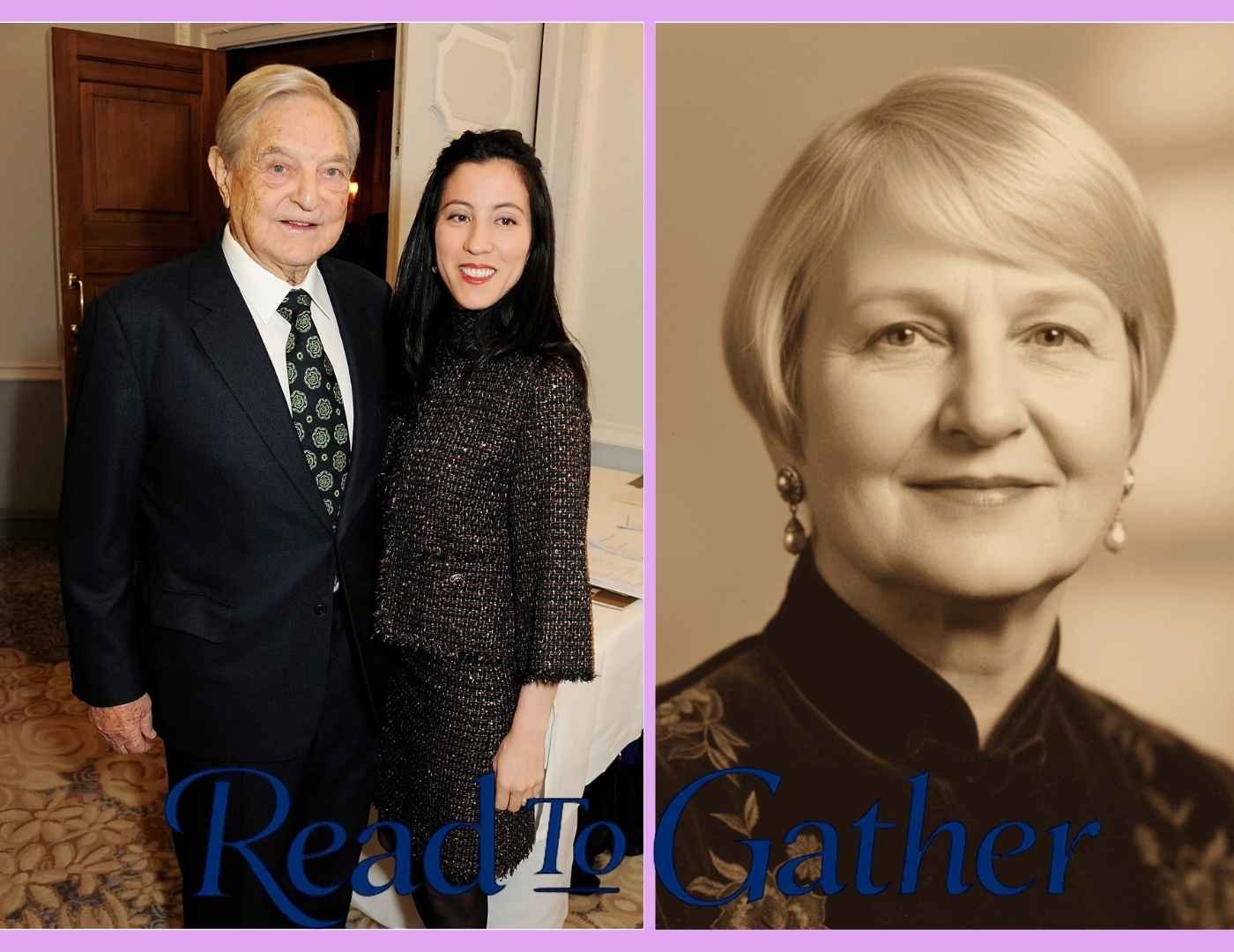
Annaliese Witschak is best known as the first wife of billionaire investor and philanthropist George Soros, but her story goes far beyond that simple label. Born in Germany on January 3, 1934, she experienced the turmoil of World War II, losing her parents and growing up amid the devastation of post-war Europe. Despite those hardships, she built a new life in the United States and became part of one of the most influential financial families of the late twentieth century.
Although her marriage to Soros brought her public attention, Annaliese Witschak has always maintained a deeply private lifestyle. She avoided publicity, rarely appeared in media interviews, and focused instead on family, culture, and philanthropy. Her life story is a fascinating blend of resilience, quiet strength, and understated influence. This detailed biography explores her early life, marriage, motherhood, personal values, and lasting legacy.
Annaliese Witschak Biography Table
| Field | Details |
|---|---|
| Full Name | Annaliese Witschak |
| Date of Birth | January 3, 1934 |
| Age | 91 years (as of 2025) |
| Place of Birth | Germany |
| Nationality | German-American |
| Ethnicity | European |
| Religion | Not publicly disclosed |
| Famous For | Being the first wife of billionaire investor George Soros |
| Profession | Former insurance company employee / data processing clerk |
| Education | Not publicly documented |
| Marital Status | Divorced |
| Ex-Husband | George Soros (married 1960 – divorced 1983) |
| Children | Robert Daniel Soros, Andrea Soros Colombel, Jonathan Tivadar Soros |
| Residence | United States (private life) |
| Known For | Maintaining a private life despite connection to a famous financier |
| Hobbies & Interests | Classical music, arts, culture, philanthropy |
| Years Active in Public Life | Mainly 1960s–1980s during marriage to George Soros |
| Current Status | Lives a private and low-profile life |
Early Life of Annaliese Witschak
Annaliese Witschak was born in Germany in 1934, during a period of intense political and social change in Europe. Her childhood was shaped by the chaos and destruction of World War II, which left millions of families displaced or broken. Tragically, Annaliese lost her parents during the war, growing up as an orphan in a country struggling to rebuild after the conflict.
The hardships she experienced at a young age forged a strong sense of independence and resilience. Living in post-war Europe meant dealing with economic instability, social disruption, and emotional loss. Yet these experiences also instilled determination and adaptability in Annaliese Witschak, qualities that would later help her build a new life abroad. Her early years provide important context for understanding her quiet strength and commitment to family and stability.
Growing Up in Post-War Europe
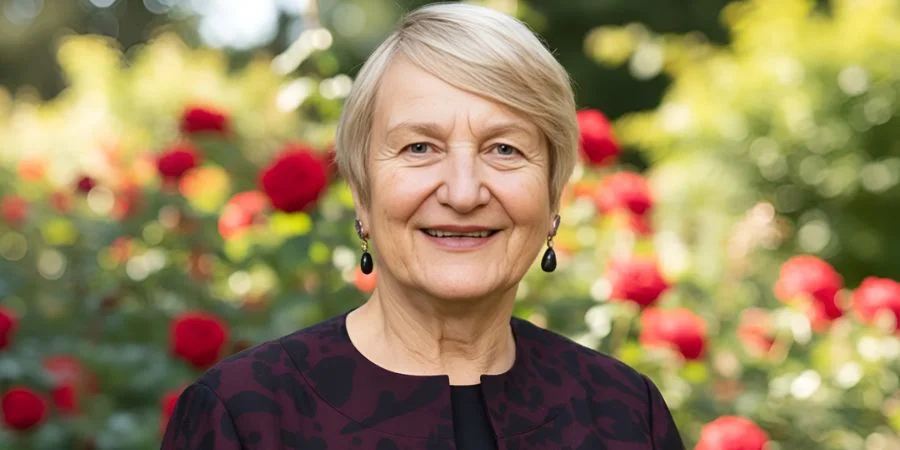
The aftermath of World War II left Europe in ruins, and Annaliese Witschak’s generation grew up witnessing dramatic political and economic changes. Cities had been destroyed, millions were displaced, and many young people faced uncertain futures.
As a war orphan, Annaliese experienced these challenges firsthand. Surviving such a turbulent environment required emotional resilience and practical determination. Like many Europeans of her era, she dreamed of a fresh start in a place where opportunity and stability were possible.
These circumstances influenced her outlook on life. Instead of seeking fame or public attention later in life, Annaliese Witschak valued security, family, and cultural enrichment. Her early struggles shaped the humble and grounded personality she became known for.
Life Overview:-Elizabeth Fogle
Immigration to the United States
Seeking a new beginning, Annaliese Witschak eventually moved to the United States, a country that represented opportunity and stability after the devastation of war. Like many immigrants of her generation, she arrived with few resources but strong determination to succeed.
Settling in New York, she worked diligently to establish herself. One of her early jobs was at an insurance company where she entered data using punch-card systems, an early form of data processing used before modern computers.
This modest job reflected the immigrant experience of working hard to build a stable life in a new country. For Annaliese Witschak, the move to America marked the beginning of a new chapter—one that would eventually connect her with one of the most influential investors in modern financial history.
Career and Early Professional Life
Although Annaliese Witschak did not pursue a high-profile professional career, she maintained a steady working life during her early years in the United States. Her employment in administrative and data-processing roles allowed her to support herself while adapting to a new culture and society.
At a time when technology was rapidly evolving, working with punch-card data systems required attention to detail and discipline. These skills reflected her practical mindset and ability to adjust to modern working environments.
While her later life became closely connected to George Soros, it is important to recognize that Annaliese had already established independence before their relationship began. Her career may not have been widely publicized, but it represented a meaningful step toward building stability in her adopted country.
How Annaliese Witschak Met George Soros
The story of how Annaliese Witschak met George Soros is often described as a meeting of two European immigrants who shared similar cultural interests. They reportedly met at an outdoor classical music concert at Tanglewood in Massachusetts, a place known for attracting lovers of classical music and the arts.
Both individuals had experienced the hardships of war and displacement in Europe. Soros, a Hungarian Jew who survived Nazi occupation, had his own history of survival and resilience. Their shared background created an immediate connection.
Beyond their similar pasts, the two bonded over their appreciation for culture, music, and intellectual conversation. This shared passion helped lay the foundation for a relationship that would eventually lead to marriage.
A Relationship Built on Shared Values
The early relationship between Annaliese Witschak and George Soros was grounded in mutual respect and understanding. Both had experienced hardship in their youth and valued education, culture, and personal growth.
They spent time together attending cultural events, visiting friends, and enjoying simple activities such as tennis and beach outings. Their relationship developed gradually, strengthened by shared interests and emotional compatibility.
Friends who knew the couple during those early years often described their partnership as balanced. Soros possessed strong ambition in finance, while Annaliese Witschak offered emotional stability and support. This complementary dynamic helped them navigate the early stages of building a life together in the United States.
Marriage of Annaliese Witschak and George Soros
On September 17, 1960, Annaliese Witschak married George Soros, marking the beginning of a partnership that would last more than two decades. At the time, Soros was still in the early stages of his career in finance.
The couple started their married life in a modest apartment in Greenwich Village, New York. Their lifestyle was comfortable but far from extravagant, reflecting Soros’s early career phase before he became a globally known investor.
Despite their growing social circles, Annaliese Witschak preferred a quiet domestic life, focusing on creating a warm and supportive home environment. This supportive atmosphere allowed Soros to dedicate himself fully to developing his investment career.
Life as the Wife of a Rising Financier
As George Soros’s financial career began to grow, the demands of his profession increased significantly. Long hours and intense focus were required to succeed in the competitive world of finance.
During this period, Annaliese Witschak played a crucial role in maintaining stability at home. She managed family life, handled household responsibilities, and ensured that their home remained a place of comfort and calm.
While Soros worked to establish himself in investment circles, Annaliese’s support provided the balance necessary for the family’s well-being. Her contributions may not have been visible in financial markets, but they were essential in building the foundation for the family’s long-term success.
Family Life and Motherhood
One of the most defining aspects of Annaliese Witschak’s life was her role as a mother. She and George Soros had three children, and raising them became one of her central priorities.
Motherhood allowed her to focus on shaping the values and character of the next generation. She emphasized education, kindness, and responsibility in the family household.
Despite their father’s growing financial success, Annaliese aimed to provide a balanced upbringing for the children. She believed that a nurturing home environment was essential for personal development. Her dedication to parenting helped create the foundation that enabled her children to pursue meaningful careers and philanthropic work later in life.
Children of Annaliese Witschak
Annaliese Witschak and George Soros had three children: Robert Daniel Soros, Andrea Soros Colombel, and Jonathan Tivadar Soros. Each of them has achieved success in different fields.
Robert Soros became an investor and played an important role in several philanthropic initiatives. Andrea Soros Colombel founded the Trace Foundation, an organization dedicated to preserving Tibetan culture and supporting sustainable development in Tibetan communities. Jonathan Soros pursued a career in finance and later became involved in political reform efforts.
The accomplishments of her children reflect the values Annaliese instilled in them. Her emphasis on education, compassion, and social responsibility continues to influence their work today.
Cultural Interests and Love for the Arts
Throughout her life, Annaliese Witschak maintained a deep appreciation for culture and the arts. Classical music, in particular, held a special place in her life.
This passion for music was not only a personal interest but also a way of connecting with others who shared similar cultural values. The couple’s social circle often included artists, musicians, and intellectuals rather than business figures.
Her dedication to culture remained evident even decades later when she served on the board of Young Concert Artists Inc., an organization dedicated to supporting talented classical musicians.
Through these activities, Annaliese Witschak contributed quietly to the preservation and promotion of the arts.
Philanthropic Interests and Community Work
Although she never sought public recognition, Annaliese Witschak participated in philanthropic and charitable initiatives. Many of these efforts were connected to causes she cared about deeply, including education, culture, and community development.
During her marriage to Soros, the couple supported initiatives that aligned with their shared values of social responsibility and humanitarian progress. Some of these efforts later evolved into broader philanthropic work connected to Soros’s foundations.
Annaliese’s contributions often took place behind the scenes. Rather than seeking publicity, she preferred to help quietly through financial support or community involvement. This understated approach reflected her lifelong preference for meaningful impact over public attention.
Challenges Within the Marriage
Like many long marriages, the relationship between Annaliese Witschak and George Soros faced challenges over time. As Soros’s professional responsibilities grew, the pressures associated with fame and financial success also increased.
Differences in lifestyle and personal priorities eventually created distance between the couple. While Soros’s career required extensive travel and public engagement, Annaliese remained more comfortable with a private and family-focused lifestyle.
These evolving circumstances gradually strained their relationship. Despite the difficulties, both individuals maintained respect for each other and remained committed to their children’s well-being.
Divorce and Life Changes
After 23 years of marriage, Annaliese Witschak and George Soros divorced in 1983.
The reasons behind their separation were never publicly discussed, reflecting Annaliese’s consistent preference for privacy. Unlike many high-profile divorces, the situation was handled quietly and without public controversy.
Following the divorce, Annaliese chose to step away from public life almost entirely. Rather than seeking attention or publicity, she focused on personal interests and maintaining close relationships with her family.
Life After Divorce
In the years after her divorce, Annaliese Witschak lived a largely private life. She rarely appeared in the media and avoided public commentary about her former marriage.
This decision allowed her to maintain independence and personal peace. She continued supporting cultural organizations and remained involved in family events when necessary.
Her ability to maintain dignity and privacy after a highly visible marriage demonstrates her strong sense of personal values. Rather than defining herself by her past relationship, she chose to live quietly according to her own principles.
Personal Character and Lifestyle
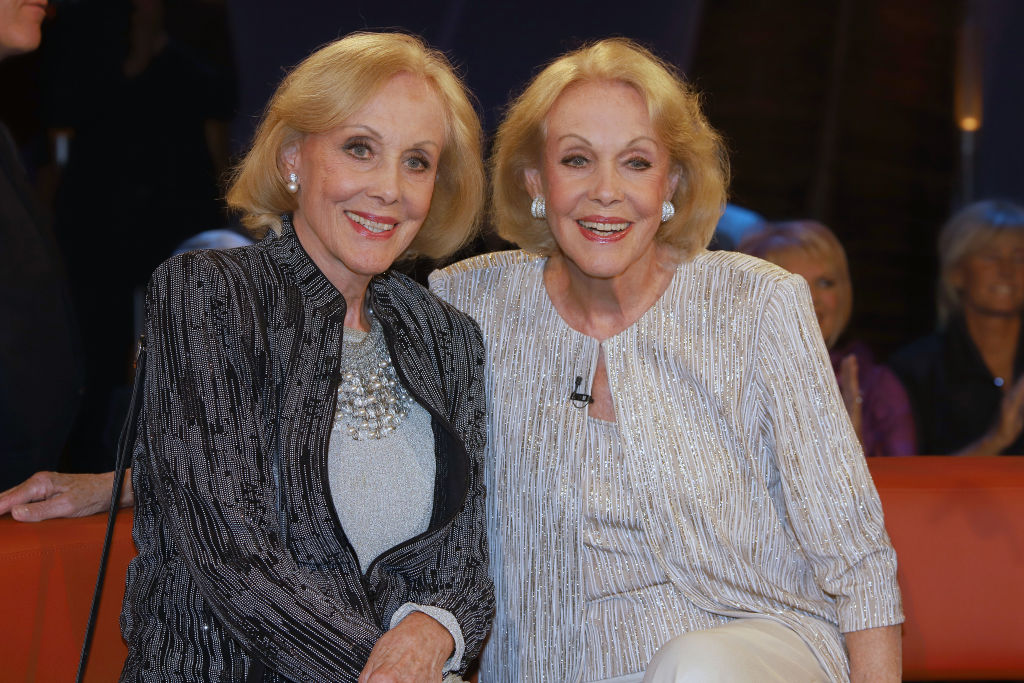
People who have known Annaliese Witschak often describe her as warm, thoughtful, and modest. She valued simple pleasures such as cooking, attending concerts, and spending time with close friends and family.
Even during the years when her husband’s career brought increasing wealth, she preferred a balanced lifestyle that prioritized culture and personal relationships rather than luxury or publicity.
Her character reflects qualities shaped by early life experiences: resilience, humility, and gratitude. These traits have contributed to the respect she continues to receive from those who know her story.
Legacy of Annaliese Witschak
The legacy of Annaliese Witschak extends beyond her connection to George Soros. She played an important role in raising three successful children who have contributed to philanthropy, finance, and global development.
Her quiet influence helped shape the values that guided their careers and charitable initiatives. By emphasizing compassion and responsibility, she helped create a family culture focused on giving back to society.
Even though she never pursued fame, Annaliese Witschak remains an intriguing figure whose life demonstrates the power of quiet resilience and dedication to family.
Why Annaliese Witschak Remains a Fascinating Figure
Many people remain curious about Annaliese Witschak precisely because she has chosen to remain private. In a world where public attention often accompanies wealth and influence, her decision to avoid publicity is unusual.
Her life story illustrates that not every influential figure seeks recognition. Sometimes, the most meaningful contributions happen quietly—through family, culture, and personal values.
For this reason, the biography of Annaliese Witschak continues to interest readers who want to understand the human story behind one of the world’s most famous investors.
Conclusion
The life of Annaliese Witschak is a compelling story of resilience, quiet influence, and personal integrity. From her childhood as a war orphan in Germany to her years as the wife of George Soros, she experienced both hardship and opportunity.
Yet what truly defines her life is not fame or wealth, but her commitment to family, culture, and personal values. She played a crucial role in raising children who would go on to make meaningful contributions in philanthropy and business.
Even today, Annaliese Witschak remains a symbol of dignity and privacy, reminding us that impactful lives do not always unfold in the spotlight.
FAQs
Who is Annaliese Witschak?
Annaliese Witschak is a German-born American woman best known as the first wife of billionaire investor George Soros. She married him in 1960 and they divorced in 1983.
When was Annaliese Witschak born?
She was born on January 3, 1934, in Germany.
How many children does Annaliese Witschak have?
She has three children with George Soros: Robert Daniel Soros, Andrea Soros Colombel, and Jonathan Tivadar Soros.
Why is Annaliese Witschak famous?
She gained recognition because of her marriage to George Soros, one of the most influential investors and philanthropists in the world.
What happened to Annaliese Witschak after her divorce?
After divorcing Soros in 1983, she chose to live a private life away from media attention, focusing on family and personal interests.
Is Annaliese Witschak still alive?
Public information suggests that Annaliese Witschak is believed to still be alive, though she keeps her personal life extremely private.
What are Annaliese Witschak’s main interests?
Her known interests include classical music, arts, philanthropy, and family life.