Harlene Rosen is remembered not just for her brief marriage to Woody Allen, but for the quiet strength she showed in building a private and dignified life after intense public scrutiny. Her story reflects the experiences of many women who found themselves thrust into fame through marriage, only to later choose privacy and independence. While history often defines her by her relationship to a famous filmmaker, Harlene-Rosen deserves recognition for her resilience, intelligence, and personal courage. Her journey reminds us that even short chapters in public life can leave lasting emotional impacts, and that strength is often found in walking away from the spotlight with grace.
Biography Table for Harlene Rosen:
| Field | Details |
|---|---|
| Full Name | Harlene Rosen |
| Known For | First wife of Woody Allen |
| Nationality | American |
| Birth Year | Circa late 1930s |
| Place of Birth | United States |
| Famous Spouse | Woody Allen (m. 1956 – div. 1960) |
| Age at Marriage | 17 years old |
| Marriage Year | 1956 |
| Divorce Year | 1960 |
| Children | None publicly known |
| Profession | Private individual (never pursued public career) |
| Known For After Divorce | Winning legal case against Woody Allen |
| Lawsuit Year | 1976 |
| Legal Victory | Won damages for defamation and emotional distress |
| Public Status | Lives a private, low-profile life |
| Media Presence | Avoids interviews and publicity |
| Famous For | Standing up for privacy and dignity |
| Net Worth | Not publicly disclosed |
| Residence | United States |
| Legacy | Symbol of resilience, privacy rights, and personal dignity |
Who Is Harlene Rosen?
Harlene Rosen is an American woman best known as the first wife of filmmaker Woody Allen. Though their marriage was short, it placed her briefly in the public eye during the early stages of Allen’s career. Born in the United States, Harlene-Rosen lived a relatively private life before and after her marriage. Her story became widely discussed years later when Allen referenced their relationship in his comedy routines, bringing renewed attention to her name. Despite this, Harlene-Rosen chose to live away from fame, maintaining her dignity and privacy throughout her life.
Early Life and Family Background
Little is publicly known about the early life of Harlene-Rosen, as she intentionally kept her personal history away from the media. She was born into an American family that valued privacy and stability. Before becoming known as Woody Allen’s wife, Harlene-Rosen lived a quiet, traditional life focused on education and family. Her upbringing shaped her preference for a low-profile lifestyle, a quality that later helped her handle unwanted public attention. Even after her brief exposure to celebrity culture, Harlene Rosen remained committed to living a life grounded in privacy and self-respect.
Meeting Woody Allen
Harlene Rosen met Woody Allen when both were very young. At the time, Allen was a struggling comedian and writer, not yet the world-famous filmmaker he would become. Their relationship developed quickly, driven by youth, curiosity, and emotional connection. Harlene-Rosen was still a teenager when they met, while Allen was several years older. Despite their age difference, they felt drawn to each other. This early romance would soon lead to marriage, placing Harlene-Rosen at the center of a life that would later become far more public than she ever wanted.
Marriage at a Very Young Age
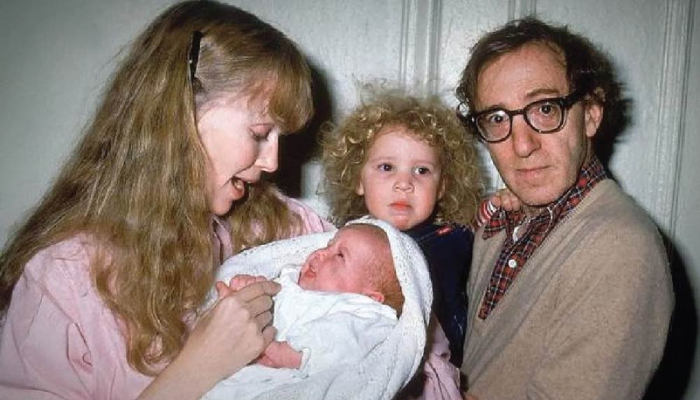
In 1956, Harlene Rosen married Woody Allen when she was just 17 years old. The marriage was controversial even by the standards of the time due to her young age. Moving into adult life so suddenly was a major transition for Harlene-Rosen, who had not yet experienced independence. Allen was beginning his career in entertainment, and their marriage was filled with uncertainty. Despite the challenges, Harlene Rosen tried to make the relationship work. However, the pressures of youth, career struggles, and emotional differences soon created distance between them.
Life During the Marriage
During her marriage to Woody Allen, Harlene-Rosen lived in New York City and tried to adjust to her husband’s growing involvement in the entertainment industry. The couple struggled financially, and Allen spent long hours writing and performing. Harlene-Rosen was often left alone, isolated from family and friends. She later described this period as emotionally difficult. While Allen’s career slowly began to rise, Harlene Rosen felt increasingly disconnected. The marriage, which started with youthful optimism, became strained under the weight of responsibility and emotional distance.
Divorce and Emotional Impact
The marriage between Harlene Rosen and Woody Allen ended in 1960, just four years after it began. The divorce was painful, especially for Harlene-Rosen, who was still very young. Leaving the marriage meant starting over emotionally and financially. Although Allen would go on to achieve fame, Harlene Rosen faced the challenge of rebuilding her life away from the spotlight. The emotional toll of the breakup stayed with her for years. Despite the hardship, she showed remarkable strength by choosing independence and privacy over public drama.
Public Attention After the Divorce
For many years after the divorce, Harlene Rosen lived quietly. However, in later decades, Woody Allen began referencing their marriage in his stand-up comedy. Some of these jokes were deeply personal, drawing public attention back to Harlene-Rosen without her consent. This caused her emotional distress, as she had worked hard to move on. Eventually, she filed a lawsuit against Allen for using her name and details of their private life. Harlene Rosen won the case, proving her right to dignity and personal boundaries.
The Famous Lawsuit
The lawsuit between Harlene Rosen and Woody Allen became a defining moment in her story. She sued him for emotional distress and invasion of privacy after he made jokes about their marriage. The court ruled in her favor, awarding her financial compensation. This legal victory was not about money, but about respect. Harlene Rosen wanted to protect her name and her right to a private life. The case highlighted her courage and determination to stand up for herself, even against a powerful public figure.
Choosing a Private Life
After the lawsuit, Harlene Rosen retreated even further from public attention. She refused interviews and avoided media appearances. Her goal was to live a peaceful, private life, free from the shadow of her former marriage. Unlike many who remain connected to celebrity culture, Harlene-Rosen chose dignity and quiet over fame. This decision allowed her to heal emotionally and build a new life on her own terms. Her commitment to privacy remains one of the most admirable aspects of her story.
Life After Woody Allen
Following her divorce, Harlene Rosen rebuilt her life away from Hollywood and media attention. She focused on personal growth, relationships, and stability. While her former husband became one of the most famous filmmakers in the world, Harlene-Rosen remained committed to a simple, peaceful existence. She did not attempt to capitalize on her past marriage. Instead, she created a life defined by independence and self-respect. Her ability to move forward quietly reflects her inner strength.
Public Perception of Harlene Rosen
The public often knows Harlene Rosen only through her connection to Woody Allen, but those who understand her story see a woman of courage and dignity. She was young, vulnerable, and placed in a difficult situation, yet she never sought sympathy or fame. Over time, many people have come to respect her decision to protect her privacy. Harlene-Rosen represents countless individuals who experience public exposure without seeking it, reminding us that not all life stories are meant to be lived in the spotlight.
Harlene Rosen’s Strength and Character
What defines Harlene Rosen most is her quiet strength. She endured emotional hardship, public exposure, and legal battles, yet never allowed bitterness to define her. Her choice to step away from fame shows deep self-awareness. Harlene-Rosen valued peace, dignity, and personal boundaries. These qualities allowed her to rebuild her life with grace. While her name is often mentioned in relation to a famous filmmaker, her true legacy is her courage in choosing a life of privacy and self-respect.
Why Harlene Rosen’s Story Still Matters
The story of Harlene Rosen remains relevant because it highlights issues of consent, privacy, and emotional well-being. Her lawsuit against Woody Allen set an important example for how private individuals should be protected from public exploitation. Harlene-Rosen showed that even someone without fame can stand up to a powerful celebrity. Her story encourages others to protect their boundaries and demand respect, making her a quiet but important figure in the conversation about personal rights.
How History Should Remember Harlene Rosen
History should remember Harlene Rosen not just as someone who was briefly married to a famous man, but as a woman who stood up for herself. She did not allow her identity to be reduced to a footnote in someone else’s story. Harlene-Rosen demonstrated that strength does not require public attention. Her legacy is one of dignity, resilience, and the right to live life on one’s own terms.
The Cultural Significance of Her Legal Victory
The legal victory of Harlene Rosen was significant beyond her personal situation. It showed that even in the entertainment industry, there are limits to what can be said about private individuals. Her case became a reminder that humor should not come at the expense of human dignity. Harlene Rosen helped set a precedent for respecting personal boundaries, making her story important in both cultural and legal contexts.
Harlene Rosen’s Lasting Legacy
The lasting legacy of Harlene Rosen is found in her refusal to let others define her. She chose privacy, peace, and self-respect over fame. Though her public exposure was brief, her strength left a lasting impression. Harlene-Rosen represents the power of walking away from harmful situations and creating a better life. Her story continues to inspire those who value dignity over attention.
Conclusion: The Quiet Courage of Harlene Rosen
Harlene Rosen lived a life that proves courage does not always appear in loud or dramatic ways. Her strength was shown through resilience, dignity, and the decision to protect her identity. Though history often links her to Woody Allen, her true story is about survival, independence, and self-respect. Harlene Rosen reminds us that sometimes the bravest thing a person can do is walk away and choose peace.
Frequently Asked Questions About Harlene Rosen
1. Who is Harlene Rosen?
Harlene Rosen is the first wife of Woody Allen, known for her private life and legal case against him.
2. When did Harlene Rosen marry Woody Allen?
She married Woody Allen in 1956 at the age of 17.
3. Why did Harlene Rosen sue Woody Allen?
She sued him for using her name and personal life in comedy routines without consent.
4. Did Harlene Rosen win the lawsuit?
Yes, Harlene Rosen won her case and received compensation.
5. Does Harlene Rosen live a public life?
No, she chose a private and quiet life away from media attention.
6. What is Harlene Rosen known for today?
She is known for her strength, dignity, and legal stand for privacy.
7. Why is Harlene Rosen’s story important?
Her story highlights the importance of personal boundaries and respect in public culture.