
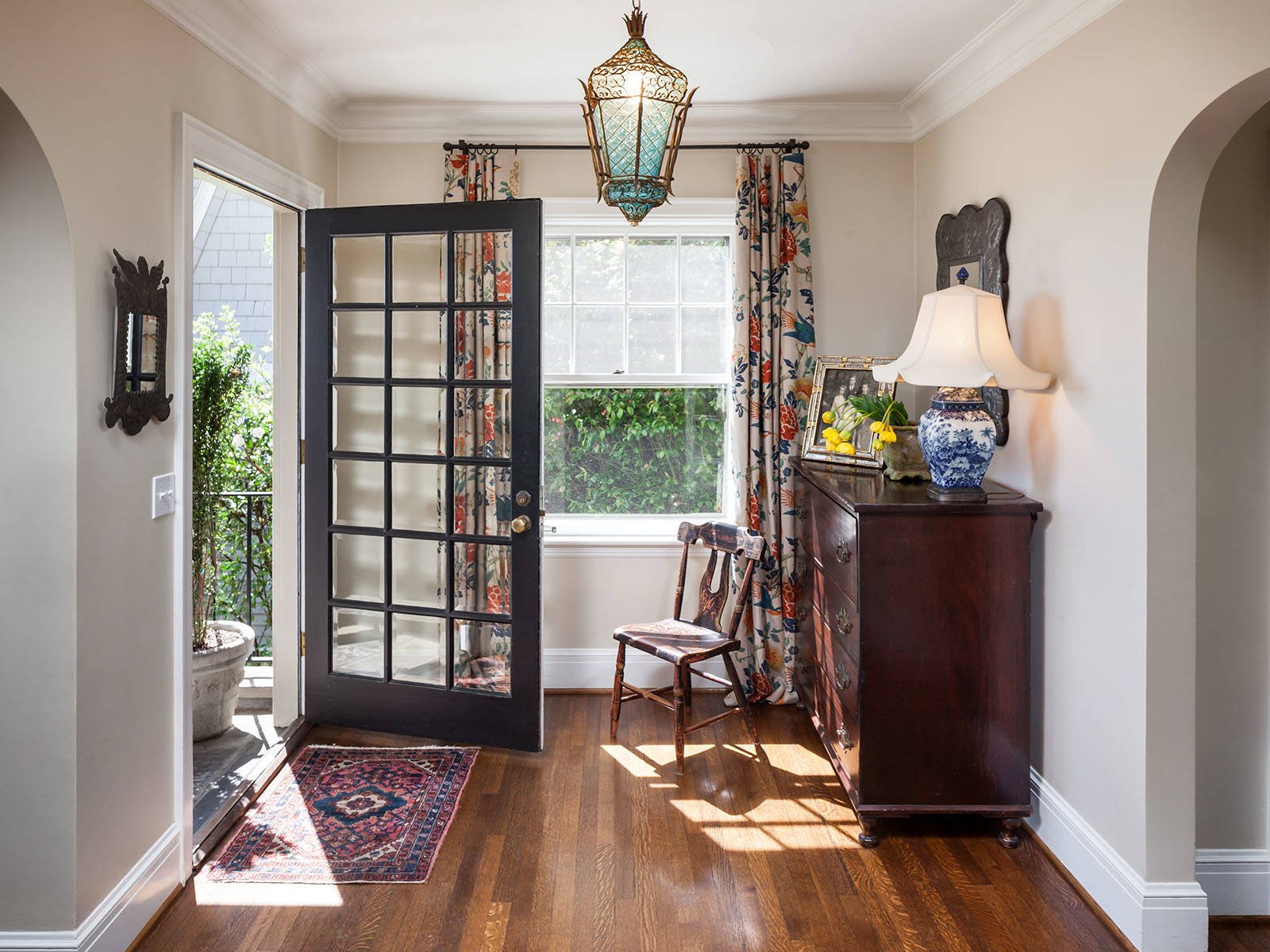
Everyone wants to come home to a space that feels calm, comfortable, and welcoming. How to make your home feel fresher and more inviting every day is as much about daily habits as it is about thoughtful design and upkeep. A fresh, inviting home naturally enhances well‑being, reduces stress, and invites connection with loved ones and guests alike. By integrating cleanliness, sensory appeal, smart decoration, and personal touches, you can create a living environment that feels renewed every day and reflects your personality. In this article, we’ll explore practical, everyday strategies to uplift your space — from lighting to scents, furniture layout to natural elements — with easy‑to‑implement tips that dramatically boost freshness and comfort.
Why Freshness and Comfort Matter
A home that feels fresh and inviting affects mood and mental clarity. Daily freshness goes beyond cleanliness — it includes air quality, scent, visual harmony, and emotional resonance. A space that consistently feels good to be in can improve sleep, reduce tension, and make everyday routines more enjoyable. Researchers and designers emphasize that sensory elements like scent, colors, and lighting strongly influence how people perceive a space, while clutter or stale air can subconsciously cause unease.
How to Make Your Home Feel Fresher and More Inviting Every Day: Start with a Clean and Clutter‑Free Base
One of the most effective ways to make your home feel fresher and more inviting every day is establishing a clean environment. When dust, dirt, and clutter accumulate, a room quickly feels heavy and unwelcoming. Daily habits like wiping counters, sweeping high‑traffic areas, and tidying surfaces help maintain a base of cleanliness that enhances all other improvements. Removing unnecessary items gives rooms visual breathing room, making them feel more open and serene.
Use Natural Ventilation for Fresh Air
Introducing fresh air is one of the simplest steps to make your home feel fresh every day. The German practice of “lüften” — opening windows wide for a short period daily — efficiently replaces stale indoor air with clean outdoor air, improving airflow and reducing trapped odors. Full window openings for just 5–10 minutes in the morning and evening can dramatically refresh the atmosphere, especially in sealed homes where indoor pollutants accumulate.
Choose Warm and Layered Lighting
Lighting has a profound impact on ambiance. Harsh, bright overhead lights can make even stylish spaces feel cold and clinical, while warm and layered lighting adds depth and coziness, making rooms feel more inviting. Use a mix of table lamps, floor lamps, and string lights to create layers of light. Dimmers offer flexibility by letting you adjust brightness according to the time of day or mood you want to create.
Incorporate Soft Textures and Fabrics
Soft textiles instantly change how a room feels. Placing throw blankets, cushions, and area rugs in living spaces transforms sterile rooms into warm, comfortable zones. Layered textiles create visual interest and tactile comfort, encouraging relaxation and conversation. Mixing materials — cotton, wool, velvet — adds richness and depth that visually and physically draws people into the space.
Harness the Power of Color and Accents
Color plays a subtle yet powerful role in making your home feel fresher and more inviting every day. Warm neutrals like beige, sage, or soft pastels stimulate feelings of calm and comfort. You can incorporate color through accent walls, decorative pillows, or seasonal accessories. Even small pops of vibrant hues inspire energy and visual freshness without overwhelming a space.
Bring in Nature with Indoor Plants
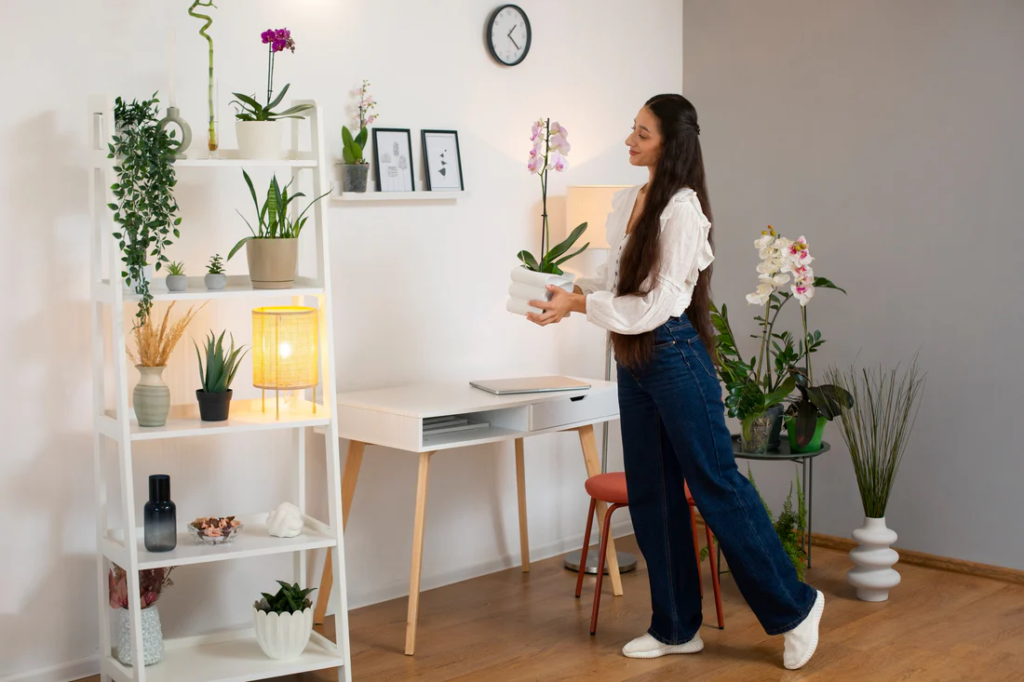
Indoor plants are one of the most effective tools for freshness and vitality. Adding greenery introduces visual life, color, and improved air quality. Easy‑care options like snake plants, pothos, or succulents thrive indoors with minimal effort and make spaces feel more alive and grounded. Position plants in living areas, kitchens, or bathrooms to bring nature inside and create a serene atmosphere.
Create a Welcoming Entryway
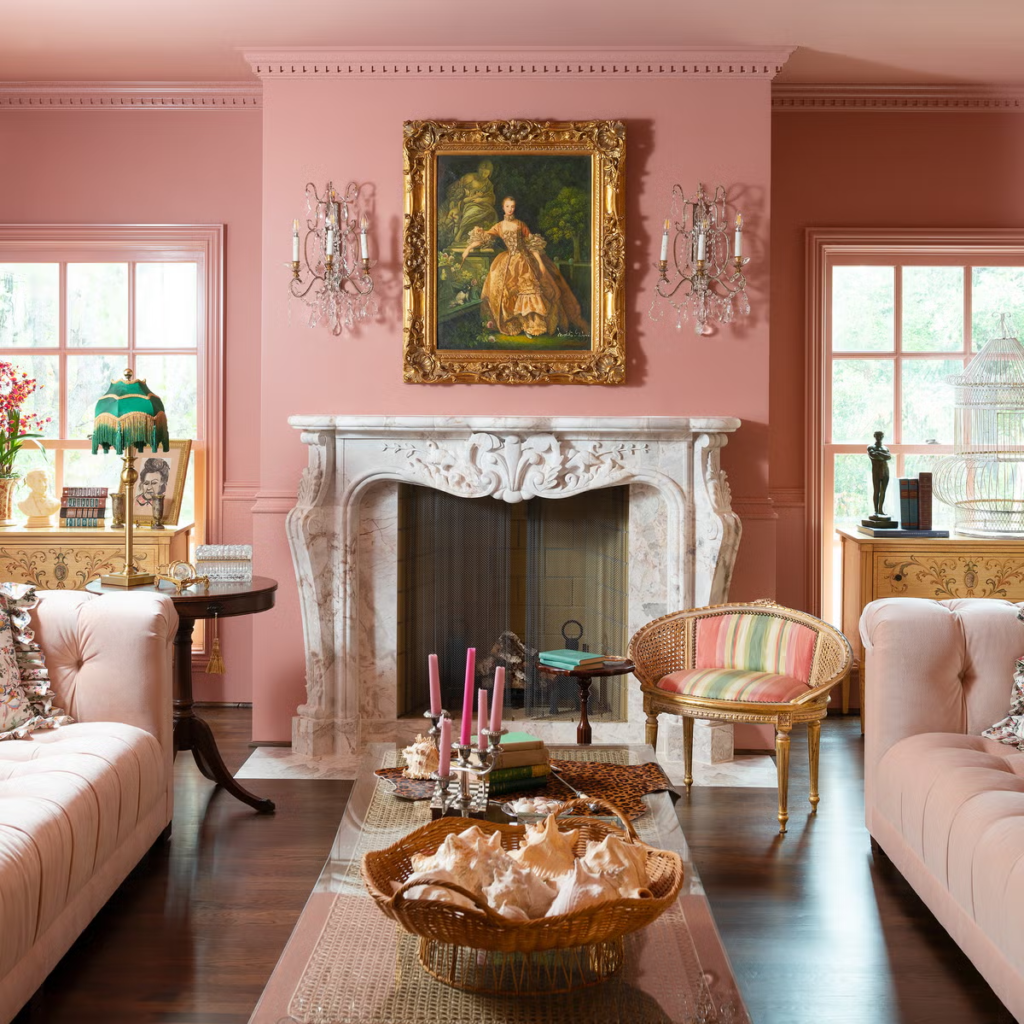
The entryway sets the tone for the rest of your home — it’s the first impression you and your guests get when stepping inside. Establish a welcoming zone with a console table, mirror, and a cozy rug. Storage solutions like baskets for keys or shoes help keep the area organized and inviting without visual clutter. A well‑designed entry signals freshness and thoughtful design from the moment you walk in.
Add Scent for Daily Freshness
Scent is one of the most powerful sensory cues for freshness and comfort. Introducing a signature home scent — citrus in the morning, lavender in the evening, or seasonal notes like vanilla in winter — fosters positive associations with your space. You can use essential oil diffusers, scented candles, or natural simmer pots with herbs and citrus to keep fresh aromas flowing without overpowering.
Use Mirrors to Enhance Light and Space
Mirrors do more than decorate walls — they amplify natural light and create depth, making rooms feel larger and brighter. Placing a mirror across from a window reflects sunlight, distributing natural illumination throughout a space. Even a small decorative mirror can lift a darker corner and enhance the feeling of freshness and openness every day.
Arrange Furniture for Comfort and Flow
The layout of your furniture affects how a room feels. Thoughtful arrangement that promotes conversation and movement creates an inviting atmosphere. Avoid pushing all furniture against walls — instead, arrange seating to encourage connection, with clear pathways that guide movement naturally through the space. This approach makes environments feel more intentional and welcoming.
Keep Surfaces Clean and Polished
A quick daily wipe of tables, counters, and shelves makes a big difference in freshness. Shiny, dust‑free surfaces reflect light and visually lift any room, contributing to an overall graceful and clean aesthetic. Clean surfaces also help reduce bacteria and allergens, enhancing both the look and feel of your home.
Rotate Decorations for Visual Renewal
Changing small details regularly — like decorative cushions, wall art, or flower arrangements — keeps familiar spaces feeling fresh. Weekly rotation of decorative accessories or seasonal accents ensures your home feels lively and interesting without requiring major remodels.
Incorporate Natural Textures and Materials
Materials like wood, stone, woven baskets, and natural fibers add organic warmth to interiors. Incorporating these elements — through furniture, décor, or flooring — fosters a grounded, earthy ambiance that feels both fresh and timeless. Nature’s textures work especially well when paired with indoor plants and soft textiles.
Focus on Calm, Quiet Spaces
Sound shapes how we experience a home. Soft background music, nature sounds, or gentle ambient audio can make your space feel more alive and welcoming. Even quiet — achieved through clutter control and thoughtful design — plays a role in making a home feel serene, fresh, and inviting.
Maintain Seasonal Adjustments
A home that feels fresh every day adapts to seasonal changes. During warmer months, prioritize natural ventilation and light fabrics. In cooler seasons, enhance warmth with layered textures, cozy throws, and scent profiles like cinnamon or vanilla. These small adjustments make your home feel refreshed and aligned with the environment year‑round.
Personal Touches That Invite Emotional Freshness
Personal items — like family photos, favorite artwork, or meaningful souvenirs — give your home character and emotional warmth. These pieces tell a story about who you are and make spaces feel deeply inviting to both you and your guests. Thoughtful curation of personal décor builds connection and comfort that transcends physical design.
Conclusion: A Daily Freshness Routine for Your Home
How to make your home feel fresher and more inviting every day is a blend of daily habits, intentional design choices, and sensory awareness. With simple adjustments like fresh air, warm lighting, cozy textiles, natural elements, and thoughtful decoration, you can create an environment that feels welcoming, vibrant, and deeply pleasant to inhabit. A fresh home doesn’t require perfection; it’s about consistency, personal expression, and making small daily actions that enhance comfort and well‑being. By embracing these strategies, you’ll enjoy a home that feels renewed and inviting — every single day.
Frequently Asked Questions (FAQs)
1. How often should I ventilate my home to keep it fresh?
Ventilating by opening windows for 5–10 minutes twice a day helps replace indoor air with fresh outdoor air, reducing stale smells and improving overall air quality.
2. What lighting works best to make a home feel inviting?
Warm, layered lighting using lamps, dimmers, and soft bulbs (around 2700–3000K) creates a cozy atmosphere compared to harsh overhead lights.
3. Can indoor plants really make my home feel fresher?
Yes — plants like snake plants or pothos add greenery, improve air quality, and bring life and tranquillity to your space.
4. How can scents improve home freshness?
Subtle scents from candles or diffusers with citrus, lavender, or sandalwood can create positive sensory associations and make rooms feel cleaner and more inviting.
5. What role does furniture arrangement play in freshness?
Furniture placement promotes flow and comfort — arranging seating to encourage interaction and keeping walkways clear enhances openness and welcoming energy.
6. Is decluttering daily necessary?
Maintaining a routine of clearing surfaces and organizing items prevents visual stress and makes the space feel fresh and orderly every day.
7. How can color influence a room’s feel?
Warm neutrals and soft accent colors foster comfort and freshness, while pops of brightness add energy and personality to your home.