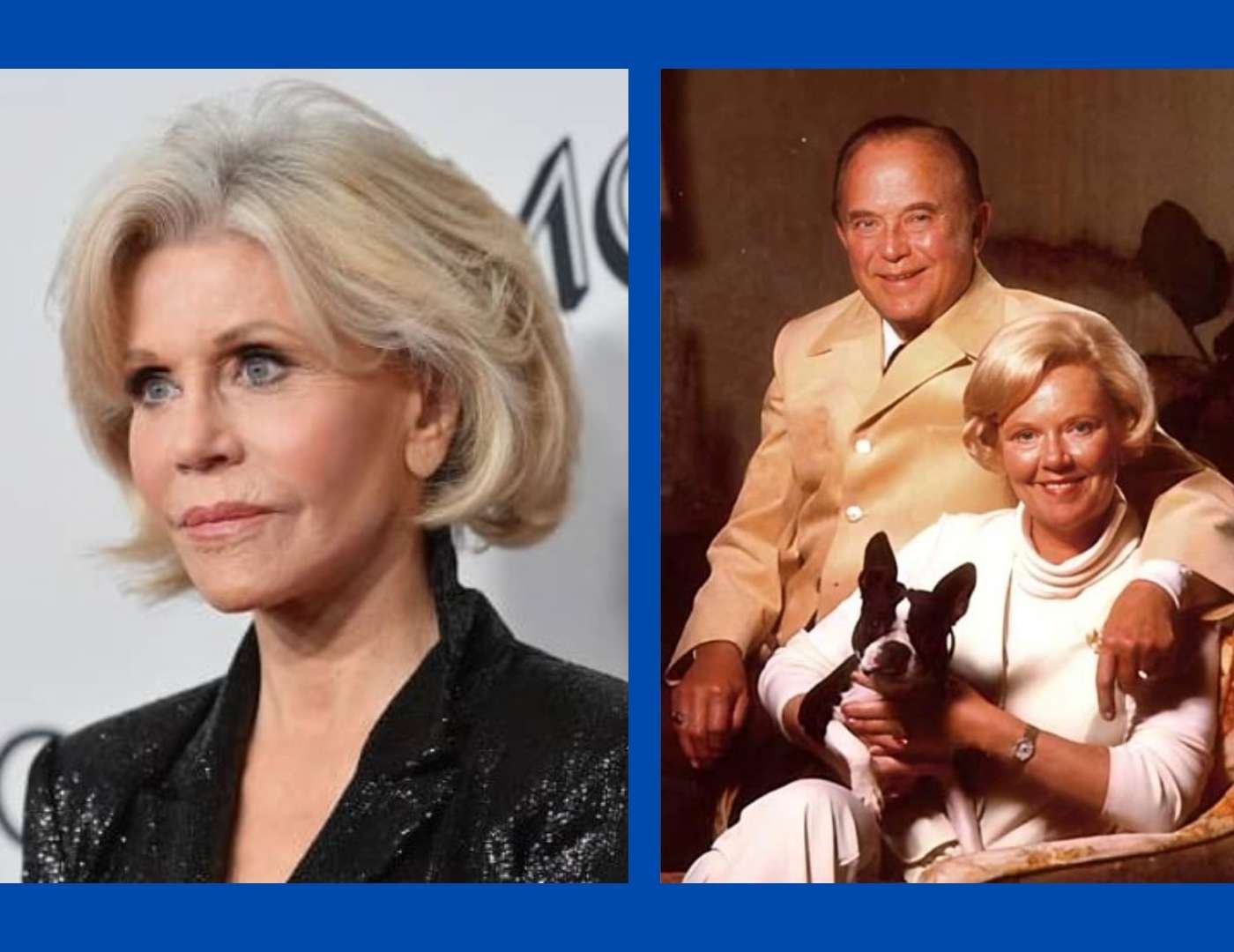
Jane Dobbins Green remains a fascinating yet understated figure in American cultural history, best known as the second wife of Ray Kroc, the visionary entrepreneur who transformed McDonald’s into a global phenomenon. While her marriage to Kroc brought her name into public awareness, Jane Dobbins Green was far more than a footnote in a famous man’s life. She was an accomplished woman with her own creative identity, personal ambitions, and a life shaped by the social and cultural dynamics of mid-20th-century America.
This comprehensive biography explores the life, background, career, marriage, and lasting significance of Jane Dobbins Green, presenting a balanced narrative that honors her individuality. Through thoughtful storytelling and factual detail, this article sheds light on a woman whose life was brief yet meaningful, offering readers a deeper understanding of her role during a transformative era in American business and society.
Jane Dobbins Green – Biography Table
| Full Name | Jane Dobbins Green |
|---|---|
| Known For | Second wife of Ray Kroc, founder of McDonald’s Corporation |
| Date of Birth | 1911 |
| Place of Birth | United States |
| Nationality | American |
| Profession | Creative professional (associated with arts and fashion) |
| Famous As | Wife of Ray Kroc |
| Marital Status | Married |
| Spouse | Ray Kroc (m. 1963) |
| Marriage Duration | 1963 (short-lived due to her death) |
| Children | None publicly known |
| Religion | Christianity (commonly reported) |
| Ethnicity | White |
| Education | Educated in the United States |
| Notable Traits | Elegant, private, creative, supportive |
| Health Issues | Reported heart-related complications |
| Date of Death | 1963 |
| Age at Death | 52 years old |
| Cause of Death | Heart attack |
| Place of Death | United States |
| Legacy | Remembered for her role during a pivotal period in Ray Kroc’s life |
Who Was Jane Dobbins Green? An Introduction
Jane Dobbins Green was an American woman recognized primarily for her marriage to Ray Kroc, the man behind the worldwide expansion of McDonald’s. However, reducing her identity to that single association would overlook her personal story, creative background, and the cultural context in which she lived. Jane came of age during a time when women were increasingly pursuing careers in the arts and fashion, while still navigating traditional expectations of marriage and social roles.
Known for her elegance, intelligence, and refined taste, Jane Dobbins Green represented a generation of women who balanced independence with societal norms. Her life intersected with one of the most influential business stories of the 20th century, yet she maintained a relatively private existence. Understanding who she was requires looking beyond headlines and examining her experiences, aspirations, and character.
Early Life and Family Background
Jane Dobbins Green was born in the United States in 1911, into a period marked by rapid social and economic change. Growing up in the early decades of the 20th century, she experienced the effects of modernization, the Great Depression, and evolving cultural attitudes toward women’s roles in society. While detailed records of her childhood remain limited, it is evident that her upbringing emphasized refinement, discipline, and personal development.
Her family background supported her interest in creative expression and social engagement, qualities that later defined her adult life. Jane Dobbins Green developed a sense of independence early on, shaped by the realities of a world transitioning from traditional norms to more progressive opportunities for women. These formative years laid the foundation for her later pursuits in creative and social circles.
Education and Formative Influences
Education played an important role in shaping Jane Dobbins Green’s worldview. She was educated during a time when women’s access to formal education was expanding, particularly in urban and cultural centers. Her academic experiences helped refine her communication skills, artistic sensibility, and social awareness.
Beyond formal schooling, Jane was influenced by the cultural atmosphere of her era. Theater, fashion, and the performing arts were flourishing, and she gravitated toward these creative spaces. Exposure to artistic communities encouraged her self-expression and confidence. These influences not only shaped her personal interests but also positioned her within social circles that valued creativity, elegance, and intellectual engagement.
Early Career and Creative Pursuits
Before becoming widely known through her marriage, Jane Dobbins Green pursued creative interests that reflected her personality and talents. She was associated with the performing arts and fashion, fields that required discipline, presence, and a strong sense of aesthetics. While she did not achieve widespread celebrity, her involvement in these industries demonstrated ambition and artistic curiosity.
Her work allowed her to cultivate a distinctive personal style and professional identity. In an era when women’s careers were often overshadowed by domestic expectations, Jane’s creative pursuits represented independence and self-expression. These experiences also expanded her social network, introducing her to individuals from diverse professional and cultural backgrounds.
Social Life and Public Presence
Jane Dobbins Green was known within her circles for her poise and sophistication. She navigated social environments with ease, attending gatherings where business, art, and culture intersected. Her presence was often described as graceful and composed, reflecting both confidence and warmth.
Despite her connections, Jane maintained a relatively low public profile. She was not driven by fame but rather by meaningful relationships and personal fulfillment. This balance between visibility and privacy would later define her role as the spouse of a prominent businessman. Jane Dobbins Green understood the value of discretion, a quality that shaped her public image throughout her life.
Meeting Ray Kroc: A Turning Point
The meeting between Jane Dobbins Green and Ray Kroc marked a pivotal moment in her life. By the early 1960s, Kroc was emerging as a major figure in the American business landscape, driven by ambition and relentless work ethic. Their paths crossed during a period of transition for both individuals, leading to a connection that quickly deepened.
Jane’s elegance and understanding nature complemented Ray Kroc’s intense professional focus. Their relationship developed against the backdrop of Kroc’s expanding business empire, introducing Jane to a world of high-stakes decision-making and public scrutiny. This turning point would significantly influence the direction of her personal life.
Marriage to Ray Kroc
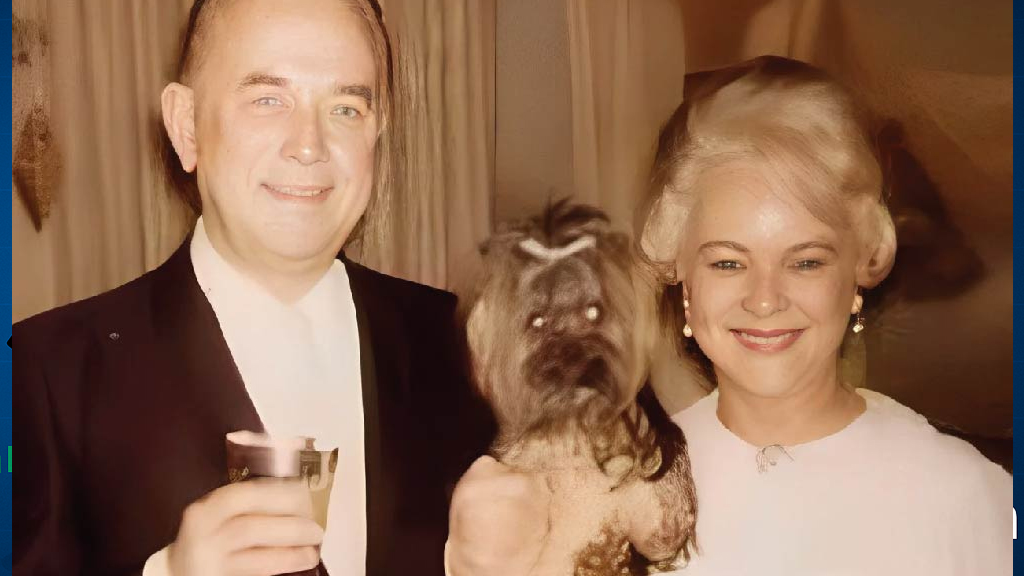
Jane Dobbins Green married Ray Kroc in 1963, becoming his second wife. The marriage occurred after Kroc’s first marriage ended, and it represented a new chapter in his personal life. For Jane, the union brought both opportunity and challenge, as she stepped into the role of partner to a rapidly rising business leader.
Their marriage was relatively short but meaningful. Jane provided emotional support during a demanding phase of Kroc’s career, offering stability and companionship. As Ray Kroc’s wife, Jane Dobbins Green became associated with one of the most significant entrepreneurial stories in American history, even though she herself preferred a quieter existence.
Life as Ray Kroc’s Wife
Life as the wife of Ray Kroc required adaptability and resilience. The demands of his business meant long hours, constant travel, and intense focus on growth. Jane Dobbins Green navigated these challenges with grace, balancing her own identity with the expectations placed upon her.
She participated in select social and business events, representing her husband with dignity. However, she did not seek influence or control within the business itself. Instead, her role was primarily supportive, providing emotional grounding amid the pressures of corporate expansion. This dynamic reflected the norms of the era while highlighting Jane’s strength and composure.
Health Challenges and Personal Struggles
Despite her outward elegance, Jane Dobbins Green faced personal challenges, particularly related to health. The stress of adjusting to a high-profile marriage, combined with underlying health issues, placed strain on her well-being. These struggles were largely private, consistent with her preference for discretion.
Her health concerns became more pronounced during the final year of her life. While she continued to support her husband, the physical toll was significant. Jane’s experience reflects the often unseen emotional and physical demands placed on individuals connected to high-pressure public figures, especially during a time when health conversations were less open.
Tragic Passing and Cause of Death
Jane Dobbins Green passed away in 1963, the same year she married Ray Kroc. Her death, reportedly caused by a heart attack, was sudden and deeply impactful. At just 52 years old, her life ended far earlier than expected, leaving behind unanswered questions and quiet grief.
Her passing marked a profound moment in Ray Kroc’s personal life, occurring during a critical phase of his professional journey. For Jane, her death solidified her legacy as a woman whose life, though brief in the public eye, held emotional significance for those closest to her.
Impact of Her Death on Ray Kroc
The loss of Jane Dobbins Green had a lasting emotional impact on Ray Kroc. Her death came at a time when his business responsibilities were intensifying, forcing him to navigate grief alongside professional demands. Those close to him noted that this period was particularly challenging.
Jane’s passing influenced Kroc’s perspective on relationships and companionship. While he would later remarry, the experience underscored the personal sacrifices often intertwined with ambitious pursuits. Jane Dobbins Green’s role in his life, though brief, left an imprint that extended beyond their marriage.
Public Memory and Historical Perception
In historical narratives, Jane Dobbins Green is often mentioned briefly, primarily in relation to Ray Kroc. However, this limited portrayal does not fully capture her individuality. She was a woman shaped by creativity, cultural awareness, and personal resilience, living during a transformative era.
Public memory tends to focus on figures tied to major success stories, yet Jane’s life offers insight into the human side of such narratives. Her story reminds readers that behind monumental achievements are personal relationships, sacrifices, and individuals whose contributions are emotional rather than financial.
Comparison With Other Figures in Ray Kroc’s Life
When compared to other significant figures in Ray Kroc’s life, including his later wife Joan Kroc, Jane Dobbins Green occupies a unique place. Her time with Kroc was shorter and less publicly visible, but it coincided with a crucial transitional phase.
Unlike Joan Kroc, who became widely known for philanthropy, Jane’s legacy remains subtle and personal. This contrast highlights how different relationships can shape a public figure’s life in distinct ways. Jane’s influence was quiet, rooted in companionship rather than public action.
Cultural Context of Her Era
Understanding Jane Dobbins Green requires appreciating the cultural context of the 1950s and early 1960s. Women were navigating expanding opportunities while still facing traditional expectations. Marriage to a powerful businessman often meant adopting supportive roles, with limited public recognition.
Jane’s life reflects these realities. She balanced independence with partnership, creativity with discretion. Her experiences illustrate the complexities faced by women of her generation, especially those connected to influential men during periods of rapid economic growth.
Why Jane Dobbins Green Still Matters
Although she lived outside the spotlight, Jane Dobbins Green remains relevant as a symbol of the personal stories behind iconic success narratives. Her life highlights themes of ambition, love, sacrifice, and the human cost of progress.
By examining her story, readers gain a fuller understanding of the environment surrounding Ray Kroc’s rise. Jane’s presence during a pivotal moment adds emotional depth to an otherwise business-focused history, reminding us that personal lives shape public achievements.
Misconceptions and Lesser-Known Facts
A common misconception about Jane Dobbins Green is that her identity is solely defined by her marriage. In reality, she had her own creative interests and personal history long before becoming Ray Kroc’s wife. Another lesser-known fact is the brevity of her marriage, which lasted only months before her passing.
These details emphasize the importance of viewing her as an individual rather than an accessory to fame. Her life, though short, was layered with experiences deserving of recognition.
Legacy and Remembrance
The legacy of Jane Dobbins Green is one of quiet dignity. She is remembered not through monuments or public honors, but through the impact she had on those around her. Her story continues to intrigue historians and readers seeking a more complete understanding of Ray Kroc’s personal life.
Her remembrance lies in acknowledging her humanity, creativity, and the era she represented. Jane’s life serves as a reminder that every historical narrative includes voices that deserve to be heard, even if softly.
Conclusion
Jane Dobbins Green lived a life marked by creativity, elegance, and resilience. As the second wife of Ray Kroc, she became part of a historic entrepreneurial story, yet her own identity extended beyond that association. Born in 1911 and passing away in 1963, her journey reflected the complexities of womanhood during a transformative period in American history.
Her legacy is subtle but meaningful, offering insight into the personal dimensions of public success. By remembering Jane Dobbins Green as an individual with her own aspirations and challenges, we honor a life that deserves recognition beyond a single chapter in someone else’s story.
Frequently Asked Questions (FAQs)
Who was Jane Dobbins Green?
Jane Dobbins Green was the second wife of Ray Kroc and an American woman known for her creative interests and private lifestyle.
When did Jane Dobbins Green marry Ray Kroc?
She married Ray Kroc in 1963, shortly before her passing.
What was Jane Dobbins Green known for?
She was known for her elegance, creative pursuits, and marriage to Ray Kroc.
How did Jane Dobbins Green die?
She passed away in 1963, reportedly due to a heart attack.
Did Jane Dobbins Green have children?
There is no public record of her having children.
Was Jane Dobbins Green involved in McDonald’s?
No, she was not directly involved in the business operations of McDonald’s.
Why is Jane Dobbins Green remembered today?
She is remembered as an important personal figure in Ray Kroc’s life during a pivotal period.