
Skin tags — medically known as acrochordons — are common, benign skin growths that can appear anywhere on the body, especially in areas where skin rubs together such as the neck, armpits, groin, and under the breasts. Although they are usually harmless and painless, many people seek removal for cosmetic reasons or because tags can rub on clothing and cause irritation. Skin tag treatment at home vs. clinic remains a frequent question for anyone dealing with these small, soft, flesh‑colored growths. Understanding the difference between DIY remedies and professional removal helps inform safer choices and better outcomes.
In this article, we’ll explore what skin tags are, compare home treatments with clinic procedures, outline risks and benefits, and help you decide the best and safest approach for your needs.
What Are Skin Tags? Understanding the Basics
Skin tags are small, benign growths made up of collagen, blood vessels, and skin, usually attached by a thin stalk. They most commonly appear in areas with skin folds and friction. While they rarely cause pain, they may irritate or catch on jewelry and clothing.
Although skin tags are generally harmless, they are often unattractive or bothersome to individuals, especially when they occur in visible areas like the neck or face. They are more common in adults and may be associated with obesity, friction, genetics, and aging, though their exact cause is not fully understood.
Knowing what a skin tag is — and what it isn’t — helps people evaluate the safest method for treatment. In rare cases, growths may resemble other skin conditions, so proper identification is important before attempting removal.
Why People Seek Skin Tag Removal
Many people choose to remove skin tags for cosmetic reasons, as visible tags can affect self‑confidence and comfort. Others focus on elimination because tags can rub against clothing or accessories, causing discomfort or irritation.
Sometimes tags form near sensitive areas like the eyelids or groin, prompting individuals to seek removal to prevent snagging or rubbing. While skin tags are not precancerous or dangerous, they may look similar to other skin growths; this uncertainty can drive people to seek professional evaluation.
Whether for appearance or comfort, understanding the options and risks for treatment — both at home and in clinic — empowers people to make informed decisions.
Understanding Skin Tag Treatment at Home vs. Clinic: Key Differences
Skin tag treatment at home is popular because it appears convenient and low‑cost, and many natural remedies are widely discussed. Common home approaches include apple cider vinegar, tea tree oil, garlic paste, and over‑the‑counter patches or freezing kits.
Some people apply acidic substances or essential oils to dry out the tag until it detaches. Others use freezing sprays marketed for warts or patches that claim to shrink growths over time. While these methods remain widely shared, it’s important to understand that scientific evidence supporting their effectiveness is limited, and these methods can take weeks to show results and often fail to fully remove tags.
This section explores various at‑home options, their mechanisms, and the medical opinion on whether they are safe and effective.
Common At‑Home Remedies Explained
Many home remedies for skin tag treatment are based on traditional or anecdotal use rather than clinical studies. Examples include:
• Apple Cider Vinegar (ACV): Some people believe its acidity breaks down tissue, helping tags fall off. However, there is no scientific evidence that ACV works, and it can cause burns or irritation.
• Tea Tree Oil: Often touted for its antimicrobial properties, tea tree oil is applied to tags with cotton swabs. Results are anecdotal, and it may cause skin irritation or allergic reactions.
• Garlic Paste: Garlic’s natural enzymes are believed to help dry tags, but evidence is mostly anecdotal, and skin irritation is possible.
• Over‑the‑Counter Freezing Kits: These mimic clinical cryotherapy but typically don’t reach the extremely cold temperatures needed, reducing effectiveness and increasing the chance of irritation or blistering.
Many natural remedies are widely discussed online and may be harmless for tiny tags in non‑sensitive areas, but they are unproven and can carry risks if used improperly.
Risks of At‑Home Treatment
Although home remedies may seem appealing, attempting skin tag treatment at home carries several risks:
• Skin Irritation and Burns: Acidic substances like ACV can cause chemical burns, redness, and ulceration, especially on sensitive skin.
• Infection: Unsterile tools or methods that break the skin’s barrier can introduce bacteria, leading to infection and possible complications.
• Scarring: Improper removal often damages surrounding tissue and increases the possibility of noticeable scarring, especially in delicate areas.
• Incomplete Removal: Home methods may not eliminate the entire tag, leaving remnants that can regrow or become infected.
Medical experts generally recommend caution or avoidance of DIY removal due to these potential complications.
Over‑the‑Counter Tools and OTC Products
Beyond natural remedies, some products are marketed to remove skin tags at home, including patches, banding devices, and creams containing drying agents or acids.
These tools can be effective for very small, simple tags, but they are not comparable to professional treatments in effectiveness. Misuse or improper application can still lead to irritation or incomplete removal.
Users of OTC products should always follow packaging instructions and be cautious near sensitive areas like the face or genitals.
Medical Diagnosis: A Key Safety Step
Before attempting removal — whether at home or in a clinic — a proper medical diagnosis is important. Skin growths that appear to be skin tags can sometimes be moles, warts, or other lesions, and attempting to remove growths without professional identification can delay diagnosis of more serious conditions.
Consulting a dermatologist can confirm whether a growth is indeed a skin tag and recommend the safest removal method based on its size, location, and your medical history.
In‑Clinic Treatment: Dermatologist‑Performed Procedures
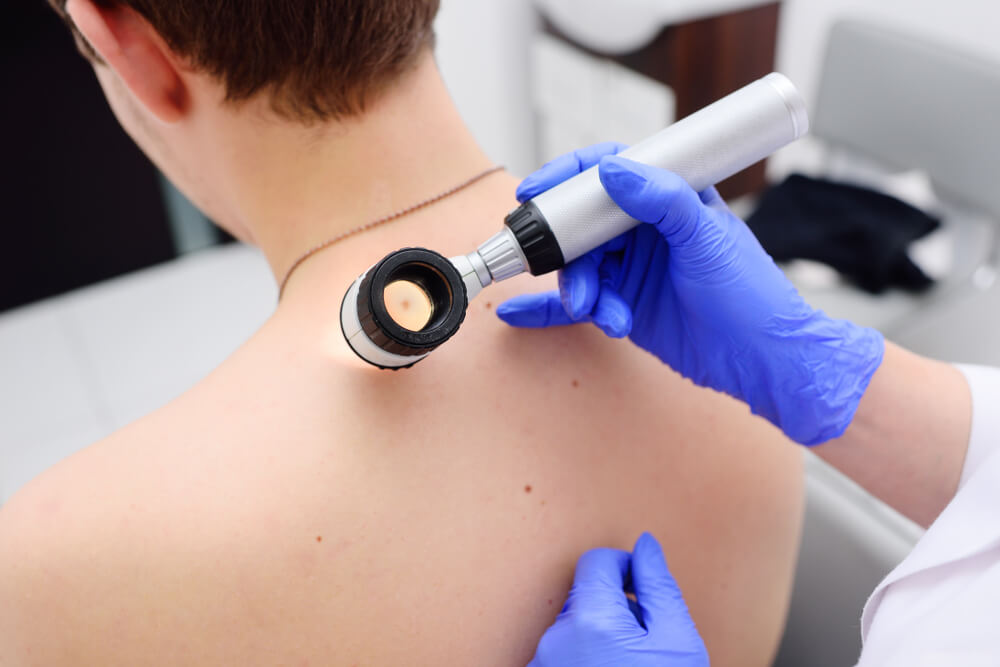
Professional skin tag treatment at a clinic offers several well‑studied, effective options that minimize risk and maximize results. Common procedures include:
• Cryotherapy: A dermatologist uses liquid nitrogen to freeze the skin tag at extremely low temperatures, which causes it to fall off in a controlled and effective manner.
• Snip Excision: The tag is carefully cut off with sterile instruments under local anesthesia, offering immediate removal with minimal bleeding.
• Cauterization: This method uses heat to burn the tag off and seal blood vessels, reducing bleeding and lowering infection risk.
These clinical methods are typically conducted by board‑certified dermatologists or trained medical professionals in sterile environments.
Benefits of Professional Clinic Removal
Choosing clinic removal offers several advantages over at‑home approaches:
• Higher effectiveness: Professional procedures are more likely to remove the entire tag completely.
• Reduced risk: Sterile environments and trained clinicians significantly cut risks like infection and scarring.
• Faster results: Clinical treatments often resolve symptoms within days to weeks, far quicker than most home remedies.
• Customization: Dermatologists can tailor the approach based on skin type, tag size, and location for optimal safety and appearance.
In many cases, clinic removal also provides a chance for patients to ask questions and receive advice on preventing irritation or recurrence.
Cost Considerations: Home vs Clinic
One of the biggest differences between home treatments and clinic removal is cost. Home remedies are usually inexpensive or free, involving common household items or OTC products. By contrast, professional removal incurs fees for medical consultation and the procedure itself.
Although many insurance plans consider skin tag removal cosmetic and may not provide coverage, the peace of mind, safety, and effectiveness of clinic procedures often outweigh the immediate cost. Discussing expected fees and payment options with your dermatologist in advance helps avoid surprises.
When Not to Attempt Removal at Home
Certain conditions make at‑home skin tag treatment strongly discouraged, including:
• Tags near sensitive areas such as the eyelids, genitals, or face, where damage could cause significant complications.
• Large tags or tags that are bloody, painful, itching, or rapidly changing in size or color, which warrant professional assessment.
• Multiple or recurring tags, which may have underlying causes that need medical evaluation.
In these cases, going straight to a clinic is safer and more effective than experimenting with home remedies.
Preparing for Clinic Treatment
Before visiting a dermatologist for skin tag removal, prepare by:
• Taking photos of the tags for documentation.
• Listing any medications or skin conditions you have.
• Asking about pain management options and aftercare.
• Checking whether the clinic offers follow‑up support for scarring or infection prevention.
Clear communication with your clinician ensures you understand what to expect before, during, and after the procedure.
Aftercare: What to Expect After Removal
After clinic removal, proper aftercare helps promote healing and reduce scarring. Typical recommendations include keeping the area clean, avoiding picking at scabs, and using suggested ointments or bandages.
Home methods can also require careful monitoring; watch for signs of infection such as increased redness, warmth, swelling, or discharge, and seek prompt medical attention if these occur.
Conclusion
When considering skin tag treatment at home vs. clinic, it’s important to weigh convenience against safety and effectiveness. While home remedies and OTC products are abundant and inexpensive, they lack scientific support and carry real risks such as skin irritation, infection, scarring, and incomplete removal.
Professional clinic procedures — including cryotherapy, snip excision, and cauterization — are safer, faster, and more reliable when performed by qualified dermatologists in sterile environments. For small cosmetic tags in non‑sensitive areas, some at‑home methods might be tempting, but proper diagnosis and guidance from a clinician are always advised to avoid unnecessary complications.
Making an informed choice between home and clinical treatment ensures better outcomes and keeps your skin healthy and safe.
Frequently Asked Questions (FAQs)
1. Can skin tags go away on their own?
Skin tags usually don’t disappear without intervention and may remain indefinitely unless treated.
2. Are home remedies effective for skin tag removal?
Most home remedies lack scientific evidence and can be slow or ineffective, with risk of irritation.
3. What’s the safest clinical treatment for skin tags?
Cryotherapy and snip excision by a dermatologist are among the safest and most effective options.
4. Do clinic procedures leave scars?
Professional removal generally minimizes scarring when performed correctly, though slight marks can occur.
5. Is skin tag removal painful?
Most clinical procedures involve local anesthesia, making discomfort minimal.
6. Can I use OTC freezing kits at home?
These kits often don’t reach the required temperature and have lower success rates than clinic cryotherapy.
7. When should I see a dermatologist instead of trying home removal?
Seek professional care for tags near sensitive areas, large tags, or if the growth changes in appearance.